CATIDOGPET ACCESSORIES MANUFACTURER · OEM & PRIVATE LABEL SUPPLIER +86 158 5958 5198

Explore Catidog

Buying notes / OEM / ODM / PRIVATE-LABEL PET PRODUCTS

OEM vs ODM pet products: which sourcing model fits your collection?

Choose the development path before comparing the price. Use ODM when an existing, supplier-developed platform can meet the product brief with controlled changes. Use OEM when your brand provides or commissions a distinct specification, pattern, construction or tooling. In practice, many pet accessories sit between the two. The quotation should identify what already exists, what will change, who owns files and tooling, and how future revisions are controlled.

OEM vs ODM pet products: which sourcing model fits your collection? — sourcing and product development reference

THE QUICK ANSWER

Use ODM when an existing, supplier-developed platform can meet the product brief with controlled changes. Use OEM when your brand provides or commissions a distinct specification, pattern, construction or tooling. In practice, many pet accessories sit between the two. The quotation should identify what already exists, what will change, who owns files and tooling, and how future revisions are controlled.

What ODM can speed up

An existing bowl mold, harness block or bed pattern can shorten early development when dimensions and construction are acceptable. Confirm the exact platform, available colors, MOQ split and evidence that applies to it.

When OEM is the better path

A proprietary fit, unique component architecture or channel-specific pack-out may require a new specification. OEM adds decisions, sampling and sometimes tooling, so the brief and ownership terms need more detail.

What the buyer needs to provide

For either route, send the intended market, channel, quantity by SKU, target use, dimensions, color references, logo files, packaging requirements and the claims you expect to make. For an ODM platform, mark every requested change against the supplier’s base sample. For OEM, provide a controlled drawing or specification and identify which dimensions or functions are still open. A reference image can explain direction, but it does not define material, tolerance, ownership or acceptance criteria.

How sampling differs

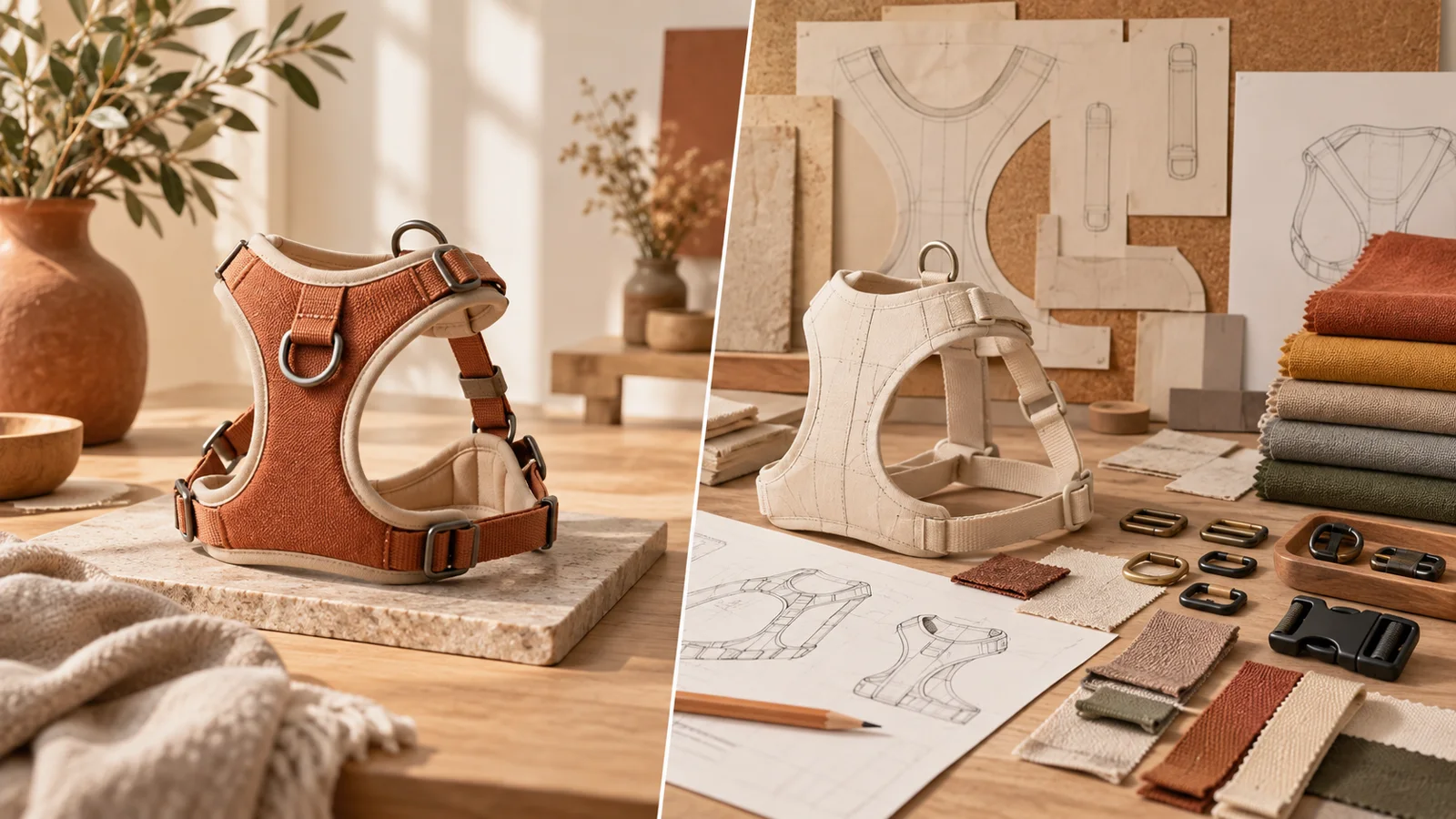
An ODM sample should prove that the selected platform and agreed variations work together: chosen material, color, logo, packaging and any component substitution. An OEM sample also needs to close the new construction, pattern or tooling questions. In both cases, number each revision and record what changed. Do not approve a visual sample while functional checks, packaging or labeling remain undefined; list open points and state which later sample or record will close them.

Questions about intellectual property

State who supplies artwork, patterns and molds; who may use them; where they are stored; and what happens after the project ends. Do not assume exclusivity from a custom color or logo. Put agreed rights in the contract.

Move from sample to production

Before bulk production, connect the approved sample to a versioned specification, artwork files, packaging proof and inspection criteria. Record whether the production reference is a physical sample, a drawing, or both. A changed material, component, color system or pack-out can reopen cost, timing and testing questions, so require written approval before the change is used. The final production schedule begins with the confirmed scope, not with the first concept discussion.

How to compare quotations fairly

Ask suppliers to separate existing-platform costs, custom development, tooling, testing, packaging and freight. Compare the same specification, quantity and destination, and record which assumptions remain open.
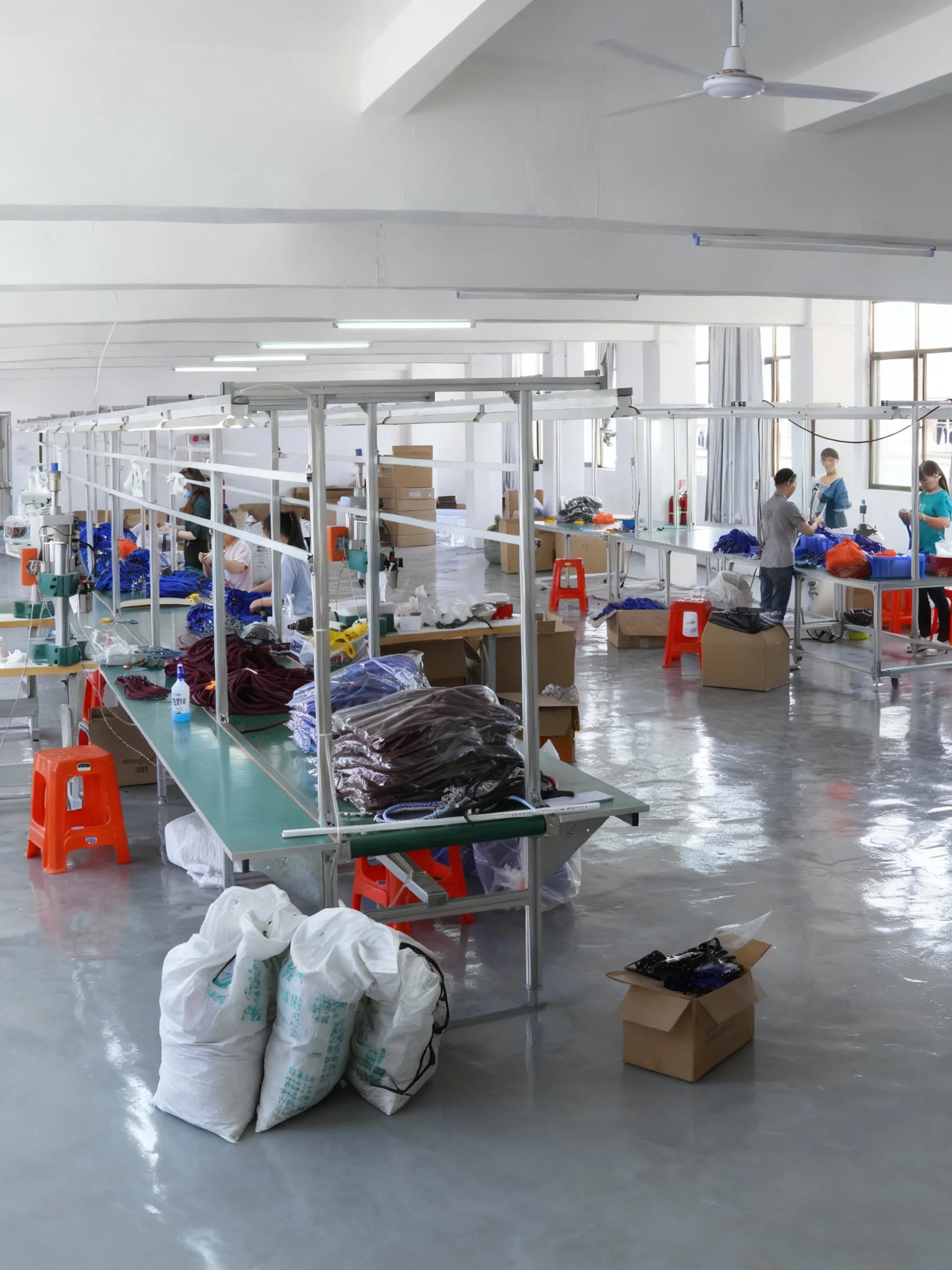
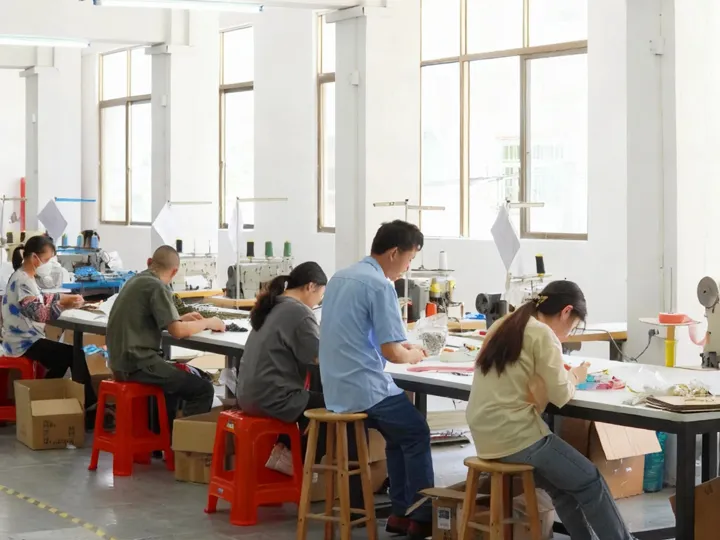
OEM / ODM pet accessory manufacturing and sample review

A useful comparison

DecisionODM routeOEM route
Starting pointExisting platformNew or buyer-led specification
Buyer inputBase sample plus requested changesControlled brief, drawing or specification
DevelopmentControlled variationsPattern, construction or tooling work
OwnershipClarify platform limitsClarify files, molds and exclusivity
ApprovalModified sample against the baseVersioned product and pre-production sample
Production controlApproved changes plus current platform recordApproved specification, tooling and change record

Sources and research context

Community excerpts are anecdotes. Manufacturer guidance applies to that manufacturer’s products. Shortlists are editorial comparisons without hands-on comparative testing or verified sales rankings.

  1. American Pet Products Association · 2025 State of the Industry
  2. Google Search Central · Structured data guidelines
How we research and write

TURN THE ANSWER INTO AN OEM BRIEF

Build the detail into your private-label collection.

Request sourcing optionsDownload sample checklist

More pet product sourcing guides.

BUYER QUESTIONS / DIRECT ANSWERS

Questions to settle before you approve the order.

Use these answers to turn a broad sourcing discussion into a product-specific brief, quotation and approval record.

What is the difference between OEM and ODM pet products?

OEM follows a buyer-controlled specification, while ODM begins from a supplier-developed platform that the buyer selects and adapts. Use ODM when an existing, supplier-developed platform can meet the product brief with controlled changes. Use OEM when your brand provides or commissions a distinct specification, pattern, construction or tooling. In practice, many pet accessories sit between the two. The quotation should identify what already exists, what will change, who owns files and tooling, and how future revisions are controlled.

When should a pet brand choose OEM?

Use ODM when an existing, supplier-developed platform can meet the product brief with controlled changes. Use OEM when your brand provides or commissions a distinct specification, pattern, construction or tooling. In practice, many pet accessories sit between the two. The quotation should identify what already exists, what will change, who owns files and tooling, and how future revisions are controlled.

When is an existing ODM platform a better starting point?

Use ODM when an existing, supplier-developed platform can meet the product brief with controlled changes. Use OEM when your brand provides or commissions a distinct specification, pattern, construction or tooling. In practice, many pet accessories sit between the two. The quotation should identify what already exists, what will change, who owns files and tooling, and how future revisions are controlled.

Who owns tooling and design files in an OEM project?

Ownership is determined by the written project agreement, not by the words OEM or ODM alone. Use ODM when an existing, supplier-developed platform can meet the product brief with controlled changes. Use OEM when your brand provides or commissions a distinct specification, pattern, construction or tooling. In practice, many pet accessories sit between the two. The quotation should identify what already exists, what will change, who owns files and tooling, and how future revisions are controlled.

Can one pet product project combine OEM and ODM elements?

Yes. A project can begin from an existing ODM platform while using OEM specifications for selected materials, components, dimensions, branding or packaging. Use ODM when an existing, supplier-developed platform can meet the product brief with controlled changes. Use OEM when your brand provides or commissions a distinct specification, pattern, construction or tooling. In practice, many pet accessories sit between the two. The quotation should identify what already exists, what will change, who owns files and tooling, and how future revisions.

What should the quotation say about future revisions?

Use ODM when an existing, supplier-developed platform can meet the product brief with controlled changes. Use OEM when your brand provides or commissions a distinct specification, pattern, construction or tooling. In practice, many pet accessories sit between the two. The quotation should identify what already exists, what will change, who owns files and tooling, and how future revisions are controlled.

A GOOD PARTNERSHIP STARTS WITH HELLO.

YOUR NEXT COLLECTION / CATIDOG
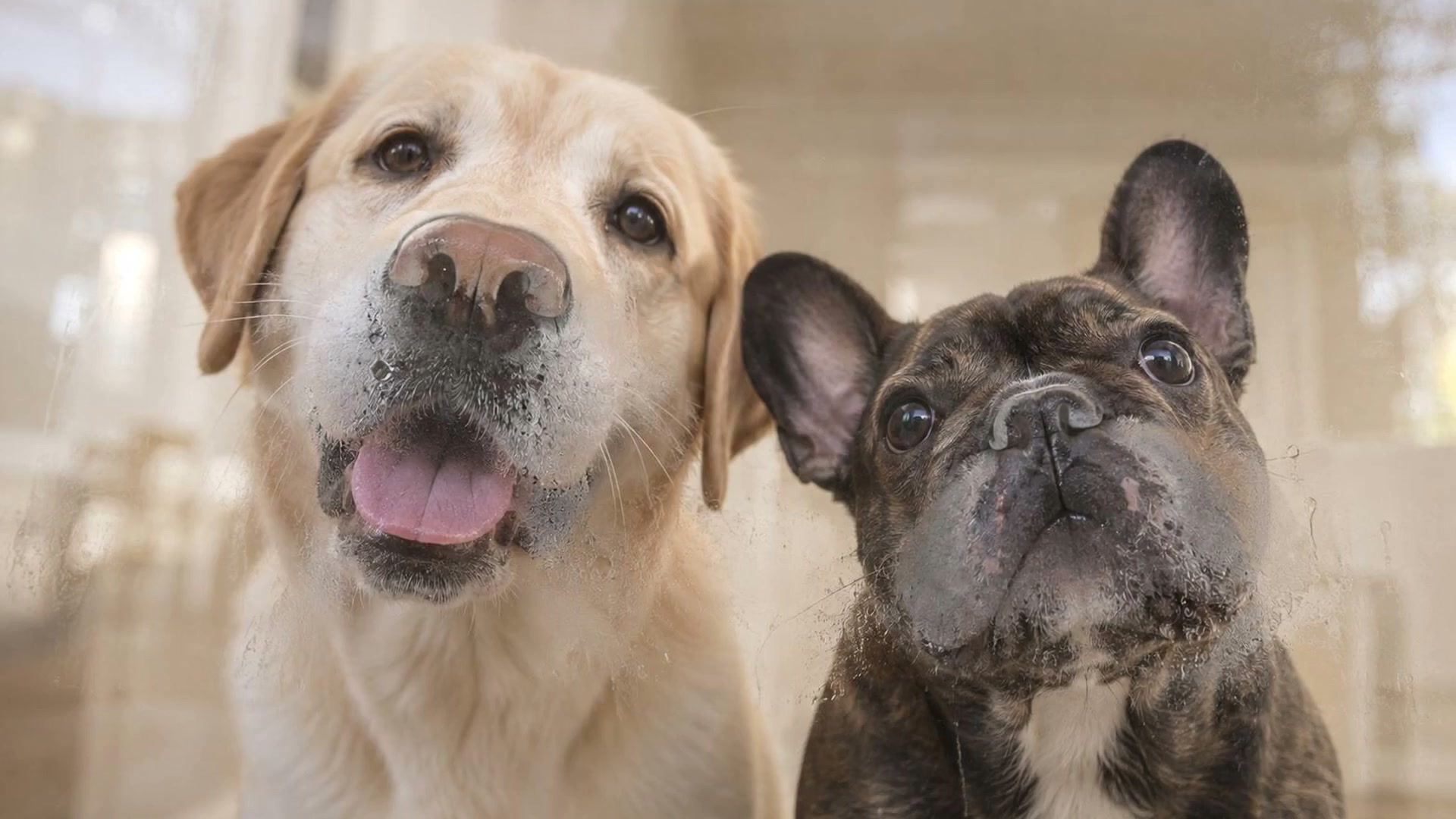
A Labrador and a brindle French Bulldog looking through the glass

Fetch a quote.

Private-label pet accessories. Every quotation names the facility that makes the item.

Request a Quote

YOUR BRAND. A MORE CONSIDERED COLLECTION.

Make your next range
feel like it belongs.

For pet brands, retailers and importers building a recognizable collection, the value is in the connection: coordinated products, clear specifications and a useful next conversation.

  • Build around walking, feeding and resting routines.
  • Compare product-specific details before choosing your range.
  • Bring materials, branding and packaging into one brief.
See how to start working with us
White cat resting above the inquiry form

LET’S TALK ABOUT YOUR COLLECTION

Tell us what you are building.

Complete catalogs, detailed specifications and sample information are available on inquiry for your selected products.

Optional: add a request below, then send your inquiry.

Your inquiry is sent securely to sales@catidog.com. Prefer chat? WhatsApp +86 158 5958 5198.

Use the same three-field form on the Contact page