THE QUICK ANSWER
Approve an OEM pet product sample against a versioned specification covering materials, dimensions, construction, color, branding, packaging and agreed checks. Photograph the approved sample, close every open issue in writing and state whether it is a fit sample, visual sample or pre-production reference.
What kind of sample are you reviewing?
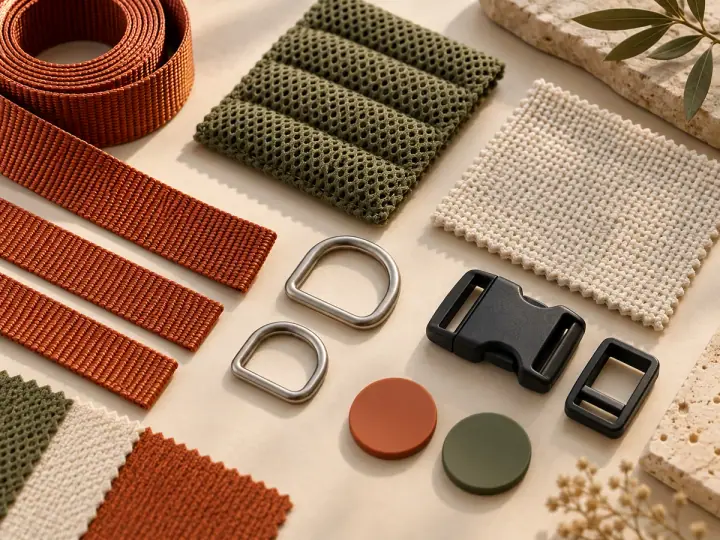
A material swatch, fit sample, logo sample and pre-production sample answer different questions. Label the purpose and revision of each item so an early prototype is not mistaken for the final production reference.
Which details should be measured?
Record finished dimensions, adjustment ranges, component locations and tolerances with units. For soft goods, agree how the item is positioned and measured because compression and handling can change the result.
How should comments be closed?
Use a numbered issue list with a photo, requested change, responsible party and status. An email saying looks good can leave earlier comments unresolved. Final approval should point to the approved specification revision and physical sample.
What should happen after approval?
Freeze the approved bill of materials, artwork and packaging files. Define how substitutions or production changes are proposed, reviewed and recorded before they reach the order.
Starting a custom harness prototype
Send a functional brief before asking for a sample: intended use, dog measurement range, size plan, sketch or reference, strap path, attachment points, materials, hardware, branding, packaging and the checks that decide approval. Ask which development work the supplier will perform, what the sample fee includes, how many revisions are priced, who owns patterns or tooling, and which files are returned. A reference photograph can explain direction, but it is not a production specification.
When samples from one supplier are inconsistent
Label each sample and compare material, dimensions, stitching, hardware, color and construction against one revision of the brief. Send an annotated difference list and ask which materials and processes would be used for production. Require a corrected, traceable approval sample for unresolved critical differences; do not scale the order on a verbal promise that production will match whichever sample the buyer preferred. Repeated unexplained variation is a supplier-control risk, not a cosmetic inconvenience.
A useful comparison
| Approval area | Evidence to retain |
|---|---|
| Identity | Sample type, date and revision |
| Product | Measurements, materials and construction notes |
| Branding | Artwork file, placement, size and color reference |
| Release | Closed issue list and written approval |
Explore private-label product options.
No-pull dog harness — materials, customization and sample checks Standard dog leash — materials, customization and sample checks Adjustable webbing collar — materials, customization and sample checksSources and research context
How we research and writeFor quotation conditions, sample scope and inspection arrangements, read our commercial terms and confirm the details in your written quotation.
TURN THE ANSWER INTO AN OEM BRIEF
Build the detail into your private-label collection.
Request sourcing optionsDownload sample checklistUse the checklist to record the specification revision, observations and open actions. Version 1.1, issued 8 October 2026. It is a planning aid, not a test report or approval certificate.