THE QUICK ANSWER
Send the number, but never on its own. A target cost with no build attached can be met by more than one specification, and you have not said which one you want. Put the figure in the same sentence as the material, the construction and the quantity it applies to, then ask which lines would have to move to reach it. Where this site publishes no figure — how a minimum applies to your split, revision scope, tooling ownership — ask for it in the written quotation.
Why can't a price come before the build?
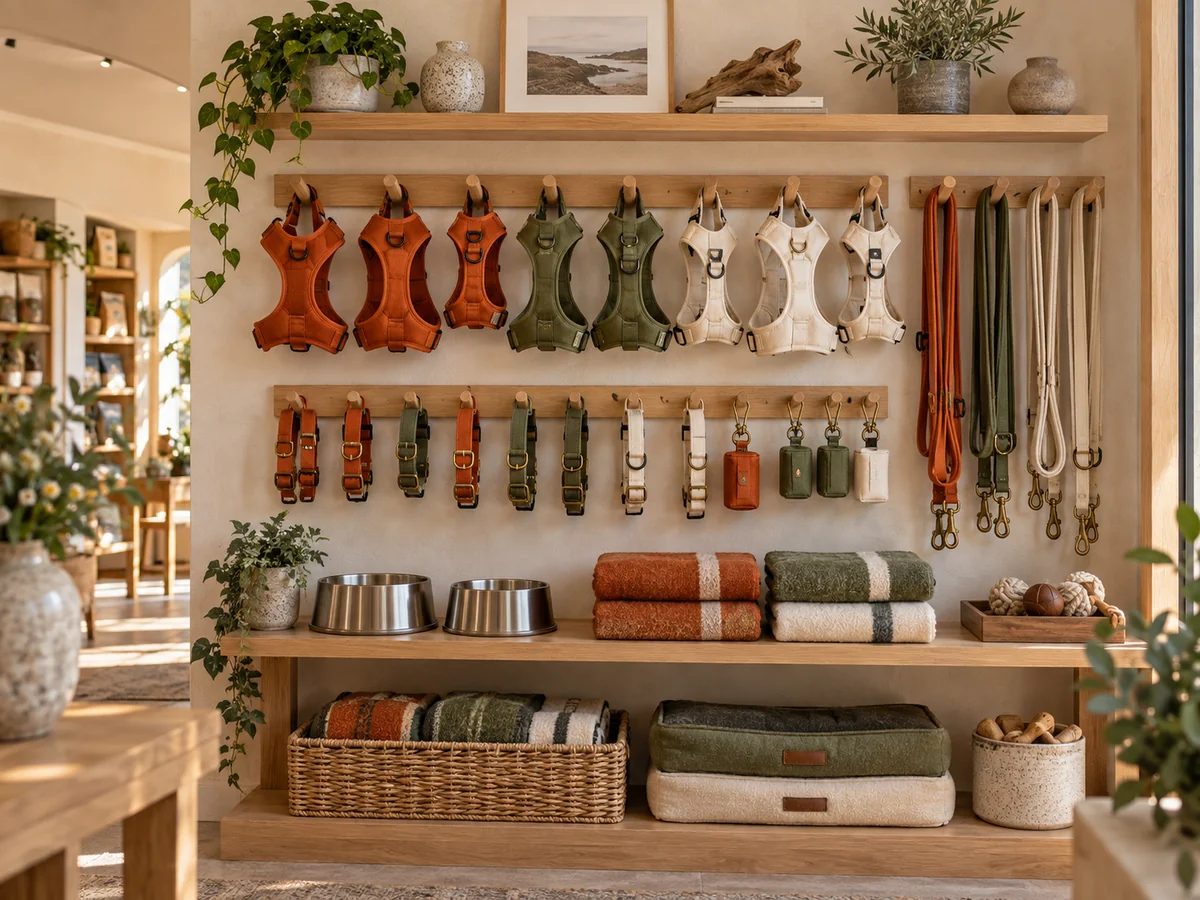
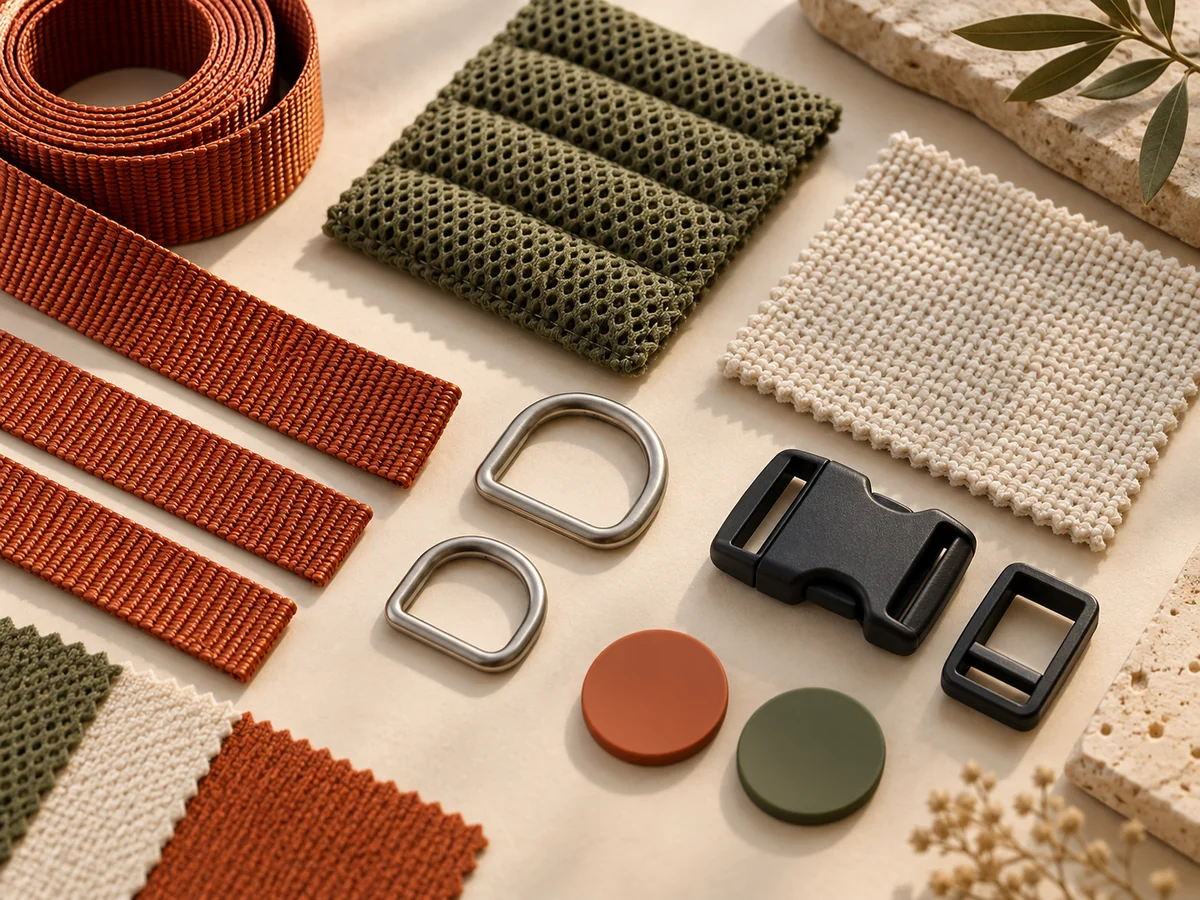
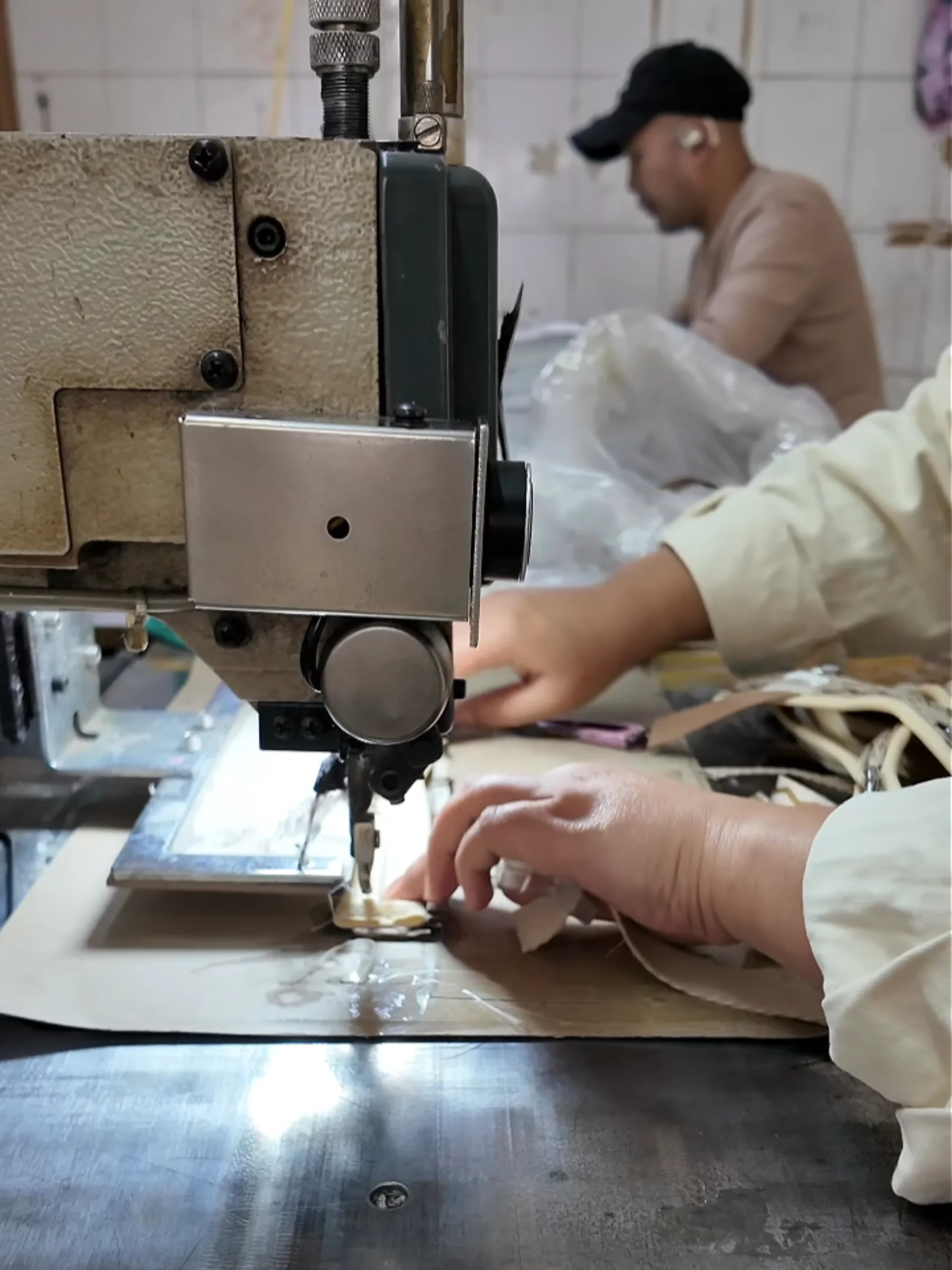
A price is the output of a build. Our own development record for a custom dog harness carries six entries before any cost exists: neck opening minimum and maximum, chest girth minimum and maximum, back panel length, webbing width, finished weight and packed carton volume. Beside them sit the material — nylon or polyester webbing, spacer-mesh or neoprene lining — the Y-front pattern, the box-X stitch at the load points, the branding method and the care instruction. Each of those has more than one valid answer. Send the product name and a target cost, and a quotation still has to fill those blanks before it can produce a number. The result can be entirely reasonable and still not be the product you pictured, because you did not describe one. You meet the difference for the first time in a sample, after a cycle that runs within seven days for a stock-item customization once artwork and details are confirmed, and within fifteen for a fully custom build once the specification is confirmed.
What does the number attach to?
Bind it in one sentence you can paste. A usable form: “Please quote [product] in [shell material] with [lining], [construction detail], [hardware reference and finish], [branding method] and [packaging format], for [quantity] split [split by color and size], shipped by [sea, air or express] to [destination]. Our target unit cost is [figure and currency] at that build. If the target cannot be met at that build, state which lines would have to change and quote both versions.” The last sentence does the work. It moves every trade-off into writing, where you accept or refuse each one by name, instead of comparing two numbers that were costed at two different builds. Leave a bracket empty rather than guessing. An open field you have marked open is still a decision you kept; a field you filled with a plausible guess is one you gave away.
Which fields does the inquiry form actually have?
Beyond contact details, the inquiry form on this site requires four things: products or collection, quantity plan, target market or sales channel, and a free-text brief. Budget direction is optional, sits beside them, and its placeholder reads “Target unit cost and currency”. That is this article's argument in the form's own layout — the figure is one field among the fields that describe the order, not a replacement for them. Three fixed lists carry a “not decided” option: preferred shipping (sea freight, air freight, express courier), logo requirement (no logo, woven label, rubber patch, embroidery, printed logo) and packaging requirement (standard bulk packing, hang tag and bag, kraft sleeve, retail box, custom mailer). A fourth list, project stage, asks whether you are exploring a collection, ready for samples or ready for quotation. Materials, colors and dimensions have no field of their own. They belong in the brief box, whose prompt asks for materials, colors, dimensions, branding, packaging and intended use. That box is where most of the build has to be written.
How should the size run be written?
American Kennel Club guidance on measuring a dog for clothes and gear works from measurements taken on the dog's body. Write your run the same way: give every size as a neck range and a girth range, minimum and maximum, in the units you will publish. Our own planning position, not the AKC's, is that breed names and weight bands cannot grade a run. They do not tell a pattern maker where one size stops and the next begins, and two dogs at the same weight need not share a girth. State how many sizes the run has, and expect every one of them to be graded — our harness development record treats grading every size in the run as part of the dimensional work, not an addition to it. Sizes given as ranges can be checked against a sample. Sizes given as words cannot.
What does the pack-out do to the number?
Packaging is a line in the landed cost and it moves independently of the product. FedEx explains dimensional weight: a shipment can be charged on the space a package occupies rather than on what it weighs. A carton that packs smaller can therefore lower the freight line with nothing on the product changing — and a product that packs smaller has changed. On a bed the two sit in the same place. Our development record for a washable dog bed lists fill weight and packed carton volume among its six specification entries, and states that fill weight and carton compression must be confirmed for freight quoting. So state fill weight per size in your brief, and ask for packed carton volume, master-carton quantity, carton dimensions and gross weight back on the quotation. Read against your target cost, the freight line and the product line then move separately instead of together.
What do you ask for where no figure is published?
Four commercial facts are published here: a typical MOQ of 100–500 units; a stock-item customization sample within seven days once artwork and details are confirmed; a fully custom sample within fifteen days once the specification is confirmed; and sea, air or express shipping matched to order size and deadline. Everything else is confirmed in the written quotation. That is the honest answer rather than an evasion — the published range is confirmed by product, color, size and customization, so no published figure would be true for every brief. Ask for it in writing instead. Four questions: how the minimum applies to your specific split; sample fabrication, custom components, tooling, shipping and revision charges shown as separate lines; how many revisions are included before a new charge starts; and who owns tooling and artwork, where it is stored and whether it transfers. Keep the reply with the version number of the specification it answers.
What if one number comes back and nothing else?
Do not compare it yet. Ask for the build it was costed at, restated: material, lining, hardware reference and finish, webbing width, branding method, packaging format, and the quantity split it assumes. Two prices can only be compared once both carry the same build, and the restatement costs one email. Then add one clause to the order document — no component substitution without written approval, which is the position this site already publishes for leash hardware. That clause is what keeps a specification alive after the price is agreed, because it turns any later change into a request you can accept, price or refuse. Keep the specification under a version number and keep sample comments against the same number. A price agreed against version three is not a price for version four, and only the version numbers will tell you which one you are holding.

A useful comparison
| Field left blank | What the blank leaves open | Write this instead |
|---|---|---|
| Webbing width | Any width, and possibly a different one on each item | One webbing width across harness, leash and collar; state it and confirm it |
| Lining | Spacer mesh or neoprene; both are on our material list | Name one, and record the thickness in the sample notes |
| Hardware | Reference and finish unstated; a substitute meets the same description | Name the hook or buckle reference and finish; no substitution without written approval |
| Size run | The number of sizes and the grading steps between them | Neck and girth minimum and maximum per size; every size in the run graded |
| Bed fill | Fill weight, and packed carton volume | Fill weight per size in the brief; packed carton volume quoted back |
| Branding | Five methods, all offered on the form | One of: no logo, woven label, rubber patch, embroidery, printed logo — with placement marked |
| Packaging | Five formats, all offered on the form | One of: bulk packing, hang tag and bag, kraft sleeve, retail box, custom mailer; unit-pack and carton quantities quoted |
| Target cost | Which specification the number was costed at | The figure, the build and the quantity in one sentence, plus the lines that would have to move |
Explore private-label product options.
No-pull dog harness — materials, customization and sample checks Standard dog leash — materials, customization and sample checks Adjustable webbing collar — materials, customization and sample checksSources and research context
Sources reviewed 2026-09-14. Community excerpts are anecdotes. Manufacturer guidance applies to that manufacturer’s products. Shortlists are editorial comparisons without hands-on comparative testing or verified sales rankings.
- FedEx · What is dimensional weight?
- American Kennel Club · How to measure a dog for clothes and gear
TURN THE ANSWER INTO AN OEM BRIEF