THE QUICK ANSWER
Start with the current food, food and water bowls, identification, a suitable collar or harness and fixed leash, a safe sleeping and containment setup, cleaning supplies and a few size-appropriate toys. Arrange veterinary care and puppy-proof the home. Clothing, electronic devices and a large toy collection can wait until size, routine and preferences are clearer.
Before arrival: information is an essential
Confirm the puppy’s current food, feeding schedule, medical records, microchip or identification status and a veterinary contact. Ask what collar, harness or crate the puppy already uses and take current measurements. Buying from a generic age label without those details creates avoidable changes during the first days.
Food, water and identification
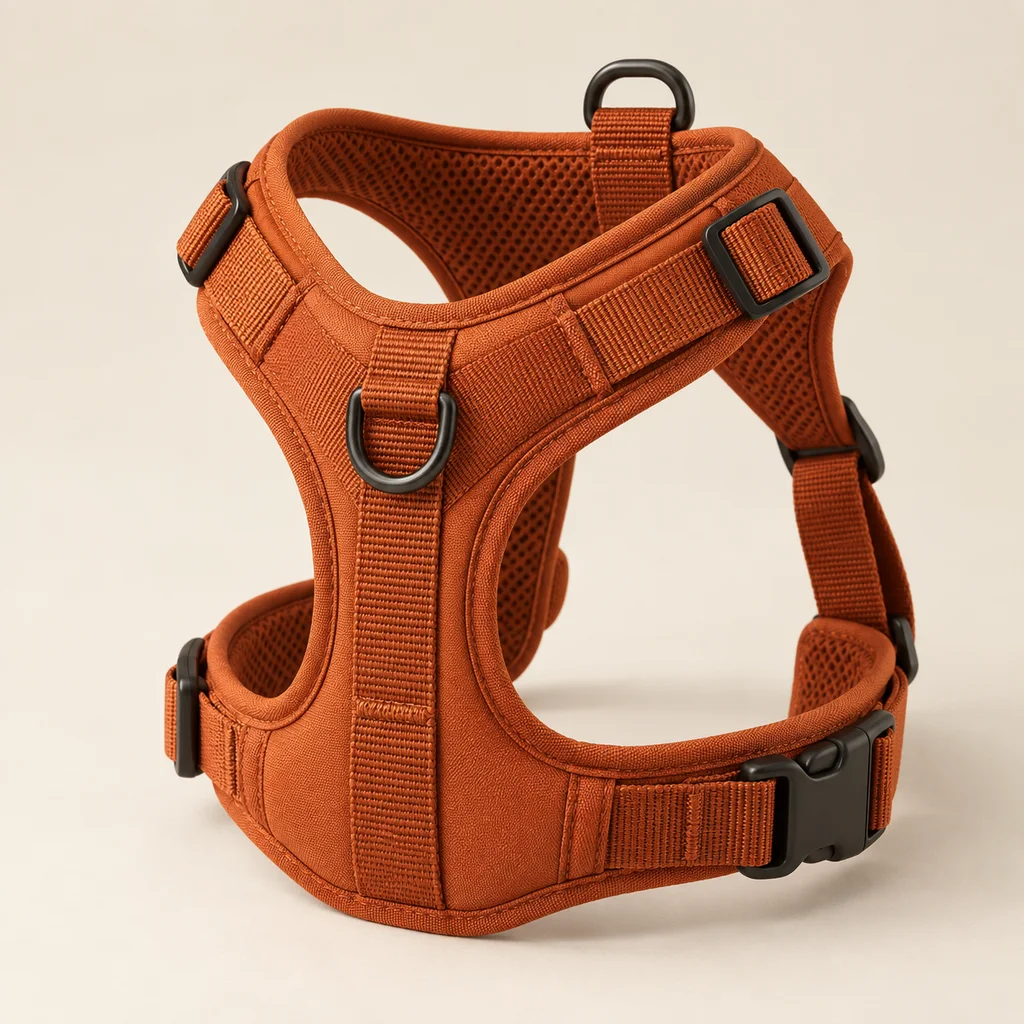
Prepare stable bowls and enough of the current food for a gradual transition if a veterinarian or supplier recommends one. Use identification appropriate to local rules and keep contact details current. A collar can carry identification; select walking equipment for fit and introduce it under supervision.
Rest, containment and transport
Provide a quiet washable sleeping surface and a safe way to limit access while the puppy learns the home. A crate or pen can be useful when correctly sized and introduced, but it is not a substitute for exercise or care. Plan a secure method for the trip home and future veterinary visits.
Cleaning, toileting and safe play
Have waste bags, washable cloths or towels and an appropriate toileting plan ready. Choose a small number of toys sized so they cannot be swallowed, inspect them during use and provide supervised chewing options. Puppy-proof low shelves, cables, medicines, cleaners, bins and small household objects before adding more products.
What can wait
Extra clothing, cameras, automatic feeders, specialty beds and multiple versions of the same toy are optional unless a specific need is already known. Fit and preferences change quickly. Keep the first kit functional, then add items after observing sleep, play, walking, feeding and household routines.
A useful comparison
| Prepare first | Why | Can usually wait |
|---|---|---|
| Current food and stable bowls | Keeps the first routine understandable | Automatic feeding equipment |
| Identification and fitted walking gear | Supports handling and return if lost | Matching fashion accessories |
| Washable rest and safe containment | Creates a managed place to settle | Premium or specialist bed claims |
| A few suitable toys and cleaning supplies | Supports supervised play and everyday mess | Large toy collections |
Explore private-label product options.
No-pull dog harness — materials, customization and sample checks Standard dog leash — materials, customization and sample checks Adjustable webbing collar — materials, customization and sample checksNew on this topic.
Disposable or washable dog pee pads: which to develop for a private-label rangeSources and research context
Community excerpts are anecdotes. Manufacturer guidance applies to that manufacturer’s products. Shortlists are editorial comparisons without hands-on comparative testing or verified sales rankings.
- ASPCA · General dog care and dog supply checklist
- ASPCA · What to inspect when you are expecting a puppy or kitten
TURN THE ANSWER INTO AN OEM BRIEF