THE QUICK ANSWER
Do not settle it from the listing. Settle it with questions whose answers can be checked: who contracts with you and who is paid; where each quoted product is made and which step goes to a partner; what the minimum is counted on; who cuts a revised pattern and in how many days; which part is on the sample; who signs the specification and who releases the shipment. Apply every one of them to us, and require the answers in the written quotation.
Which line is this footage of, and which product ran on it?
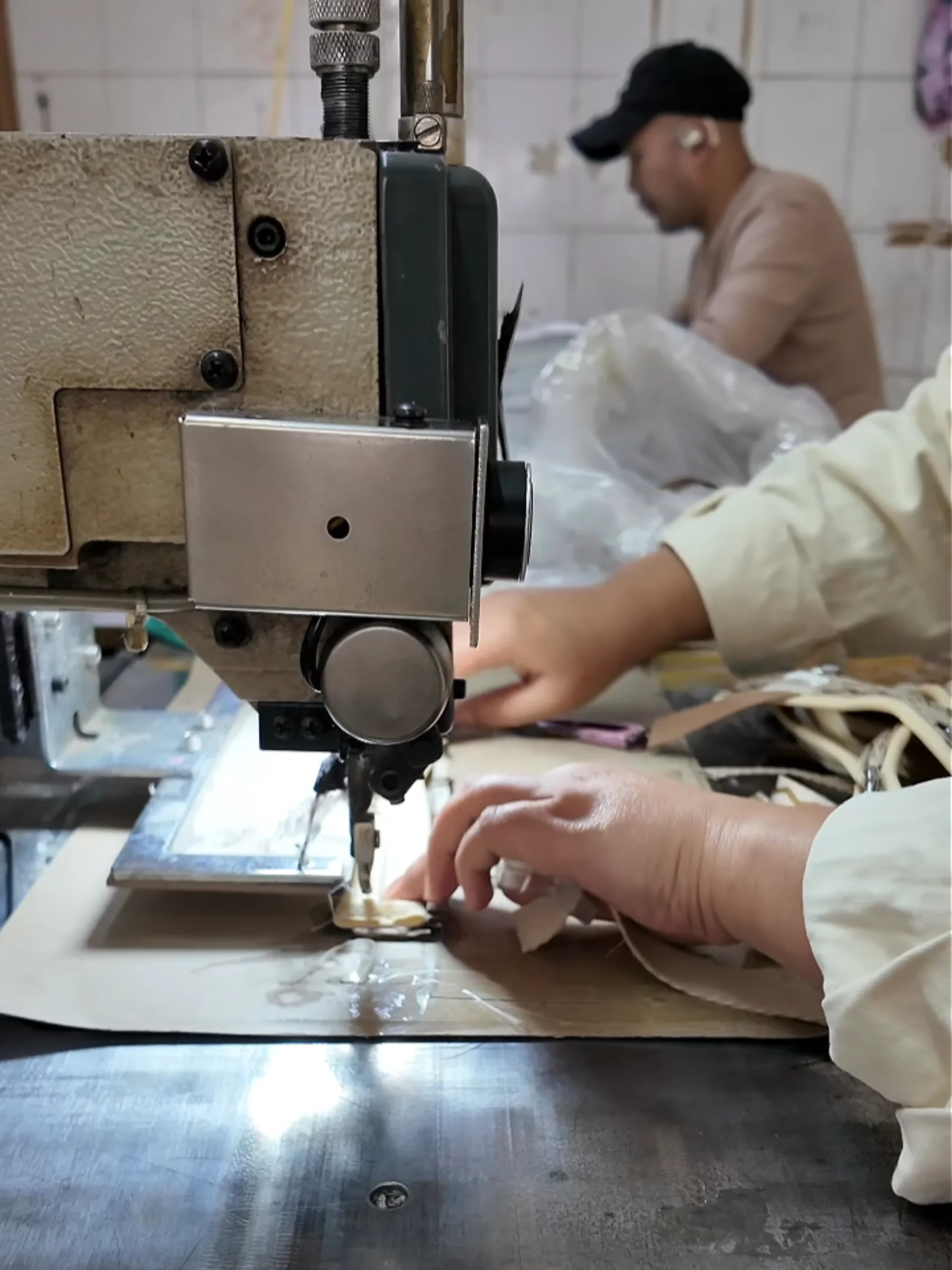
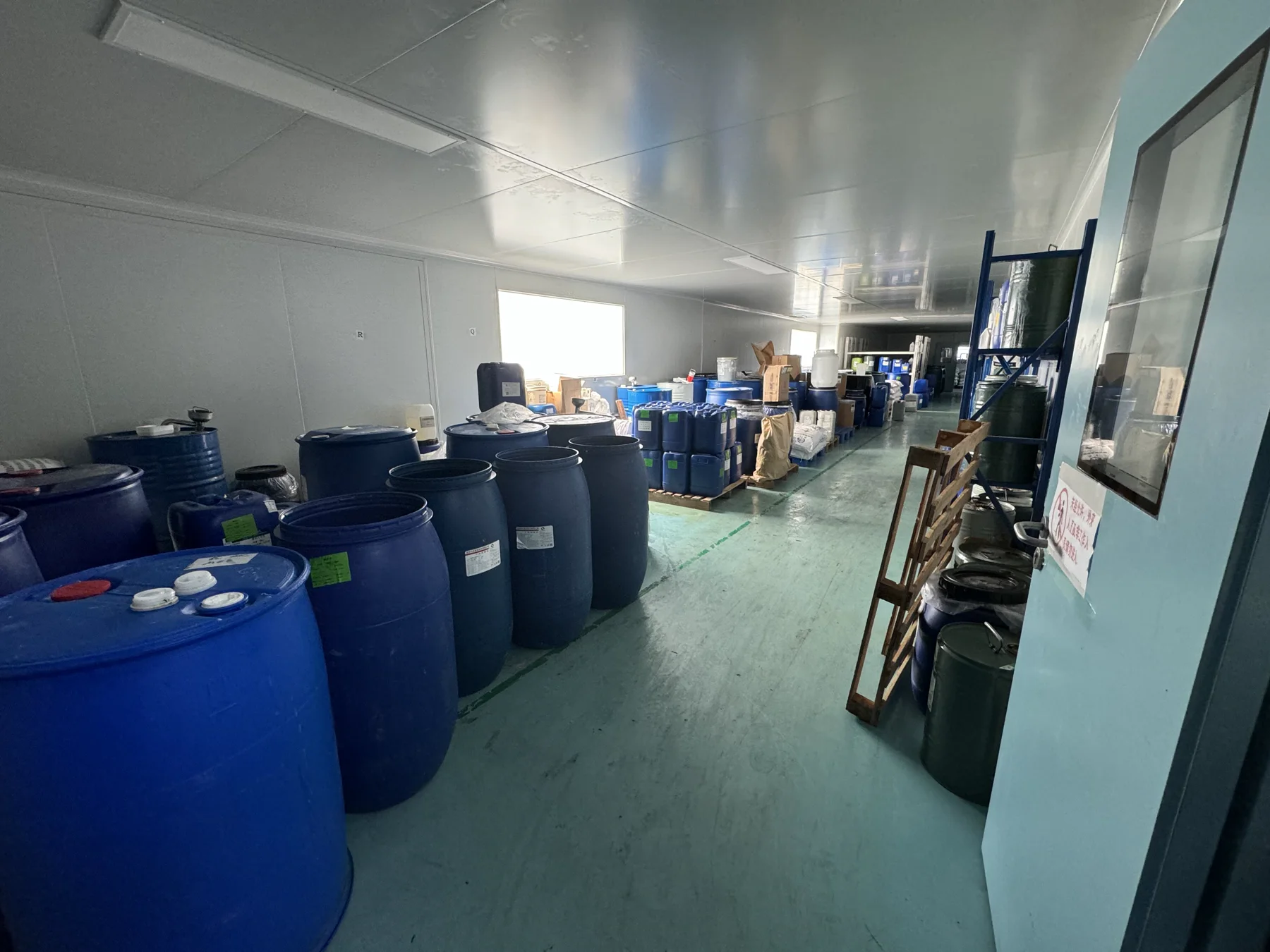
Ask it in those words, about any supplier's media and about ours. Three answers are possible and they are not the same: the footage is of the facility that would build your item; it is of a production environment the supplier operates, with no line assignment to your product; or it is illustrative material made for the page. Our Factory page carries footage from our own pet accessories production environment showing material handling, sewing and assembly, discloses a photo journal with two clearly identified illustrative development views, and states that product-specific capacity, materials, testing, certifications, pricing and availability are confirmed in the written quotation for each order. A good answer says which of the three applies to each clip or still. A deflection praises the equipment. Media belongs on a website; the line assignment belongs in the quotation, per quoted product.
Who contracts with us, and who is the payment beneficiary?
Paste that question as it stands. The answers available: one legal entity that both contracts and manufactures; a contracting entity and a manufacturing affiliate in one group; a contracting entity buying from an unrelated producer; an agent invoicing on behalf of one of those. The difference is not reputational. It decides whether the party you can hold to an approved specification is the party operating the line. If those are two entities, a specification dispute has two parties and a gap between them, and your contract reaches only one. A good answer is a legal company name with a payment beneficiary that matches it. A deflection is "we are the factory" with no name attached. Our own position: contracting identity is supplied in writing with the first quotation, before any sample fee is invoiced. Require the same of everyone you shortlist, in the quotation.
Where is each quoted product made, and which step goes to a partner?
Ask this per line item, never once for the business. Expect, per line: made in-house at a named facility; made at a named specialist partner; or made in-house with one step, such as metal forming, silicone molding or filling, performed elsewhere. Arithmetic is what makes the company-level version useless. A launch with a harness, a leash, a stainless bowl and a removable-cover bed crosses the three product families our Factory page publishes — harnesses, leashes and collars; bowls, silicone mats and molded parts; beds, crate mats and pet textiles — and that page states a single collection can involve more than one specialist facility. One sentence covering four line items has answered a different question; send it back. A good answer names a facility per line and any outsourced process. Factory address is confirmed during formal quotation, so put it there.
What is the minimum counted on, and how does it apply to our split?
Ask which basis applies: per style, per color, per size, or per size-and-color combination. Ask separately what sets it — a production run, a material purchase, or a tooling cycle. The reason is arithmetic. Five sizes in three colors is fifteen size-and-color combinations; the same five sizes in one color is five. If the minimum is counted per combination, those two assortments are not the same order, however similar they look on a single total line. We publish a typical MOQ of 100–500 units, confirmed by product, color, size and customization, and no counting rule beyond it. What a split depends on varies by family: walking products may be split by webbing color and size, feeding products distinguish existing shapes from new molds, resting products may depend on fabric and fill, and the exact split is confirmed in one quotation against a proposed assortment.
Who cuts the revised pattern, and in how many working days?
Name a change rather than a capability. A capability question can be answered yes without anyone touching the pattern; a change question cannot. Put it this way: move the chest strap down one adjustment position and go up one webbing width — who cuts the revised pattern, by role or department, and how many working days before a revised sample? The answers available are a named in-house pattern room, a named partner facility, or a role nobody will name. Our harness development record is built for a change described like that: a fixed field list of neck opening minimum and maximum, chest girth minimum and maximum, back panel length, webbing width, finished weight and packed carton volume, with grading every size in the run treated as part of the dimensional work. "Slightly smaller" cannot be quoted, sampled or checked afterwards. Record the answer and its date in the specification.
Which part is on this sample, and what is the color approved against?
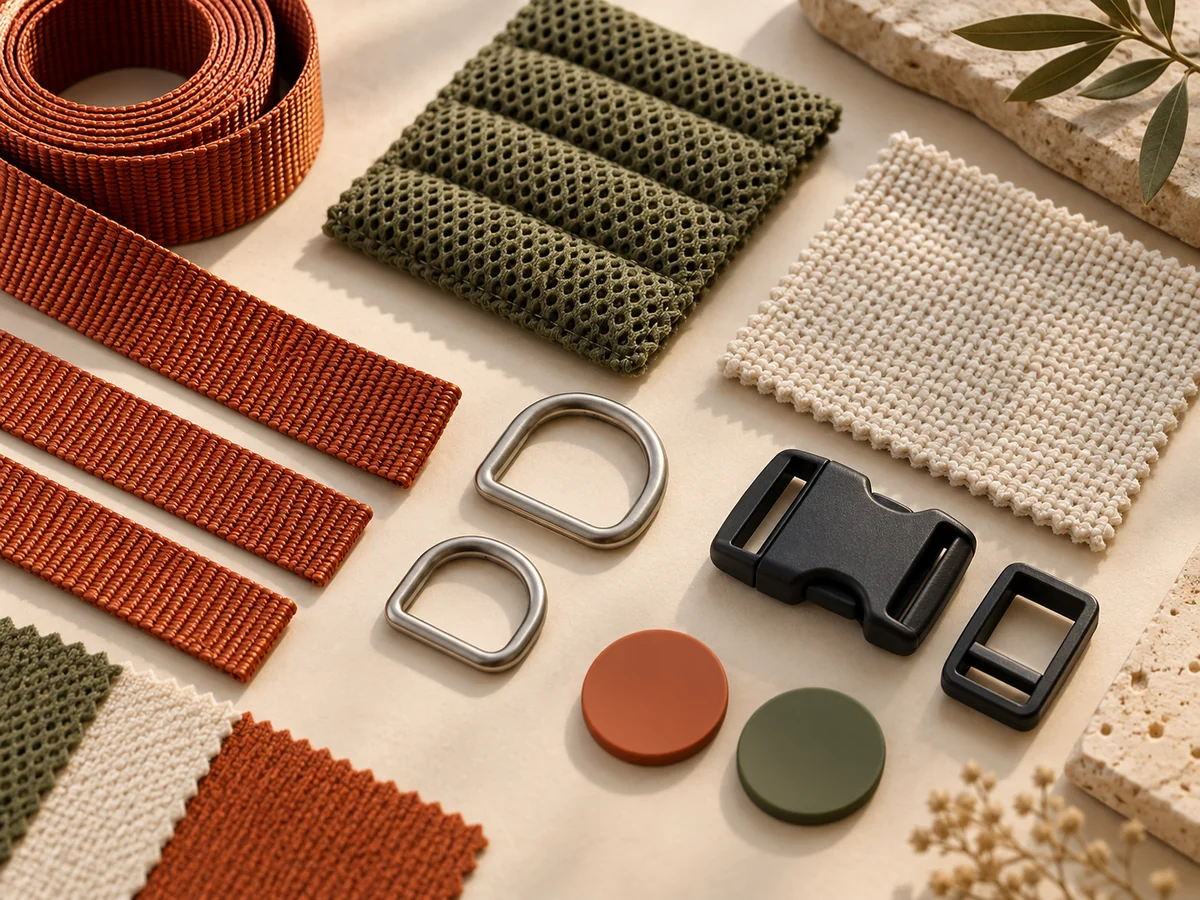
Two asks, one mechanism. First: which side-release buckle, D-ring, slider or snap hook is on the sample, by part reference and finish, and which finishes exist in that component. Answers run from a supplier part reference to a generic description. What changes is demonstrability. If the specification says black plastic buckle, a different black plastic buckle arriving in production is not a deviation anyone can prove; if it names the part, the same event becomes a change someone has to approve. Our published position is that material, component, quantity or packaging changes require written approval. Second: is color approved against a screen value, a printed proof, or a physical reference in the finished material? Webbing, silicone, steel and upholstery do not reproduce a color identically, and shade matching across fabric types needs a physical lab dip rather than a screen match. Both answers belong in the approved specification.
Who signs the approved specification, and who authorizes shipment release?
Ask for two roles, by role and by location. The answers you may get: both sit at the production site; the specification is signed at a commercial office while release is authorized at the site; both sit at a commercial office; or neither is named. The difference surfaces only when something goes wrong. When a substitution or a delay has to be traced back to whoever approved it, a named role at a named site is something you can match against the quotation. "Our team" is not, because there is nothing to match. A good answer gives a role or department and says where it sits. A deflection gives a first name on a chat app. Our Factory page publishes final responsibility for each product family as named in the written quotation and inspection plan. That is where both roles belong.
Who owns the pattern or tooling, and what does a change cost after approval?
Two asks sit outside our seven factory audit questions. Use that article for contracting identity, production location, outsourced processes, material control, sample control, inspection and shipment release, then add these. First: who owns the pattern or tooling once you have paid for it, where is it stored, and what happens to it if the relationship ends? Options are buyer-owned, supplier-owned, jointly held, or held by the partner facility that cut it. We record tooling ownership, storage, maintenance, exclusivity, design-file use, NDA scope and customer-brand protection in the project agreement. Second: what does a specification change cost after approval, and how many working days does it add? We publish no figure and no included-revision count; that is confirmed in the written quotation. Ask for both in writing before a sample fee is invoiced. The second has a clean answer only if the person answering controls the pattern.

A useful comparison
| Question to ask | Answers you may get | What it changes | Where it belongs |
|---|---|---|---|
| Who contracts with us, and who is the payment beneficiary? | One entity; a contracting entity plus a manufacturing affiliate; a contracting entity buying from an unrelated producer; an agent | Whether the party you can hold to the specification is the party operating the line | In writing with the first quotation, before any sample fee is invoiced |
| Where is this product made, and which step goes to a partner? | In-house at a named facility; a named specialist partner; in-house with one outsourced step | Moves the question from the company to the line item: four products can mean more than one facility | Quotation, per quoted product; factory address confirmed during formal quotation |
| What is the minimum counted on? | Per style; per color; per size; per size-and-color combination | Five sizes in three colors is fifteen combinations, or five | Quotation, applied to your proposed assortment |
| Who cuts the revised pattern, and in how many working days? | A named in-house pattern room; a named partner facility; no name given | Whether a change can be quoted, sampled and checked afterwards | RFQ reply, carried into the specification |
| Which buckle, slider or hook is on this sample? | A part reference and finish; a hardware supplier's part; a generic description | Whether a substitution is a provable deviation or an unprovable one | Approved specification, before sample approval |
| What is color approved against? | A screen value; a printed proof; a physical reference in the finished material | Whether webbing, silicone, steel and upholstery can be matched at all | Approved specification, with the physical reference retained |
| Who signs the specification, and who releases the shipment? | Both at the production site; split between site and office; both at an office; unnamed | Whether a substitution or delay can be traced to whoever approved it | Quotation and inspection plan |
| Who owns the pattern or tooling once we have paid? | Buyer-owned; supplier-owned; jointly held; held by the partner that cut it | What you can take with you if the relationship ends | Project agreement, before tooling is commissioned |
| What does a specification change cost after approval? | A figure; a stated number of included revisions; nothing stated | Whether a later change is a decision or a surprise | Written quotation, alongside change-control terms |
Explore private-label product options.
No-pull dog harness — materials, customization and sample checks Standard dog leash — materials, customization and sample checks Adjustable webbing collar — materials, customization and sample checksSources and research context
This guide sets out our own product development practice rather than external research. It makes no market, clinical or comparative-performance claim, and every figure named here is confirmed per order in the written quotation and specification.
How we research and writeTURN THE ANSWER INTO AN OEM BRIEF