Apparel / PRIVATE-LABEL DEVELOPMENT
Dog raincoat
Rain gear lives or dies on the size run, not the fabric. Decide the back-length grading, the belly coverage and whether a harness opening is cut in — that last one changes the pattern, not the trim.
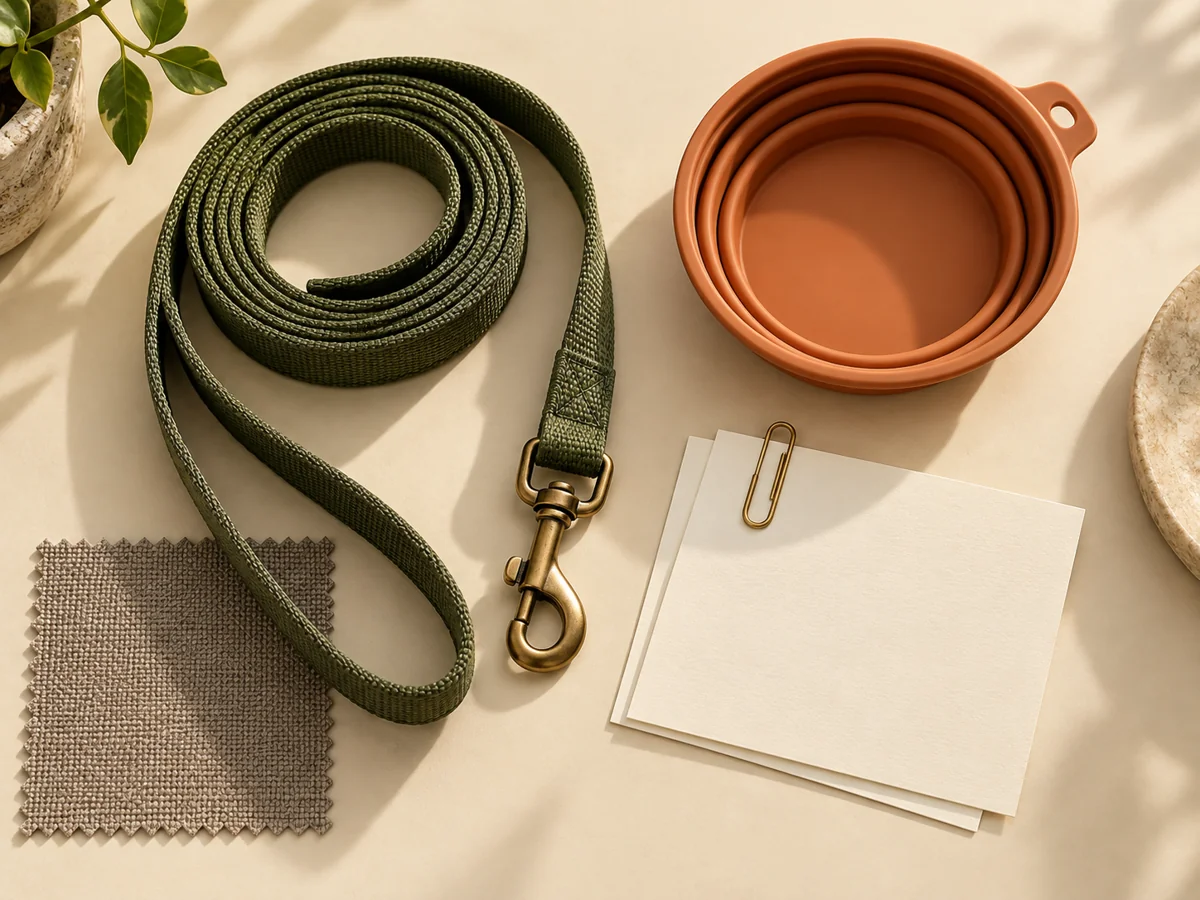
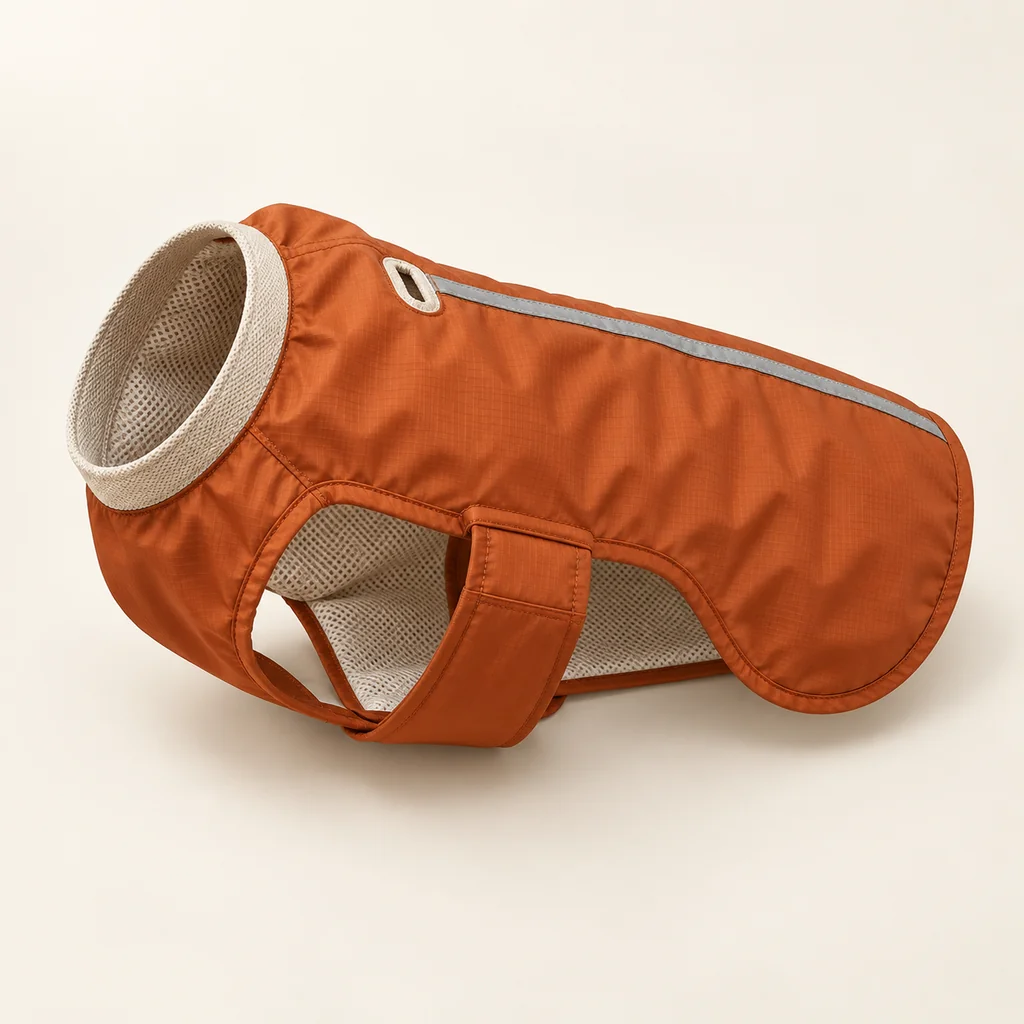 Terracotta / COLOR PREVIEW
Form, material and finish.
01 / PURPOSE & CONSTRUCTION
Designed around
the daily routine.
The seasonal entry into an apparel range, sold against the walking set.
Back-length graded size run; belly strap closure; optional cut harness opening and hood. Start by documenting the intended pet, environment and expected care routine.
Water resistance is a construction description, not a rating; publish no waterproof rating without a test you can name.
02 / CUSTOMIZATION
The details make it yours.
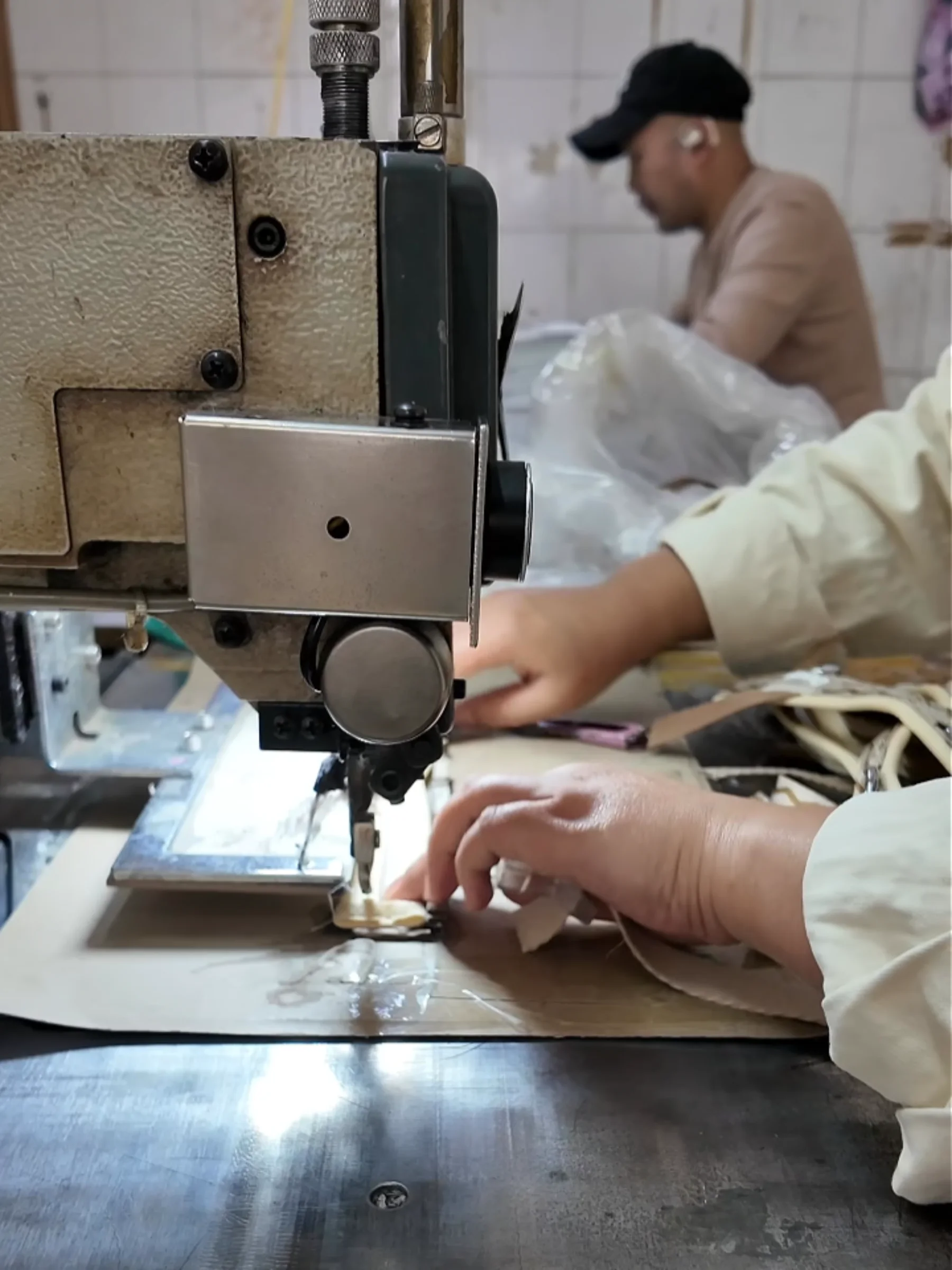
We offer these customization methods. Material and process combinations, placement and artwork dimensions are confirmed for your project.
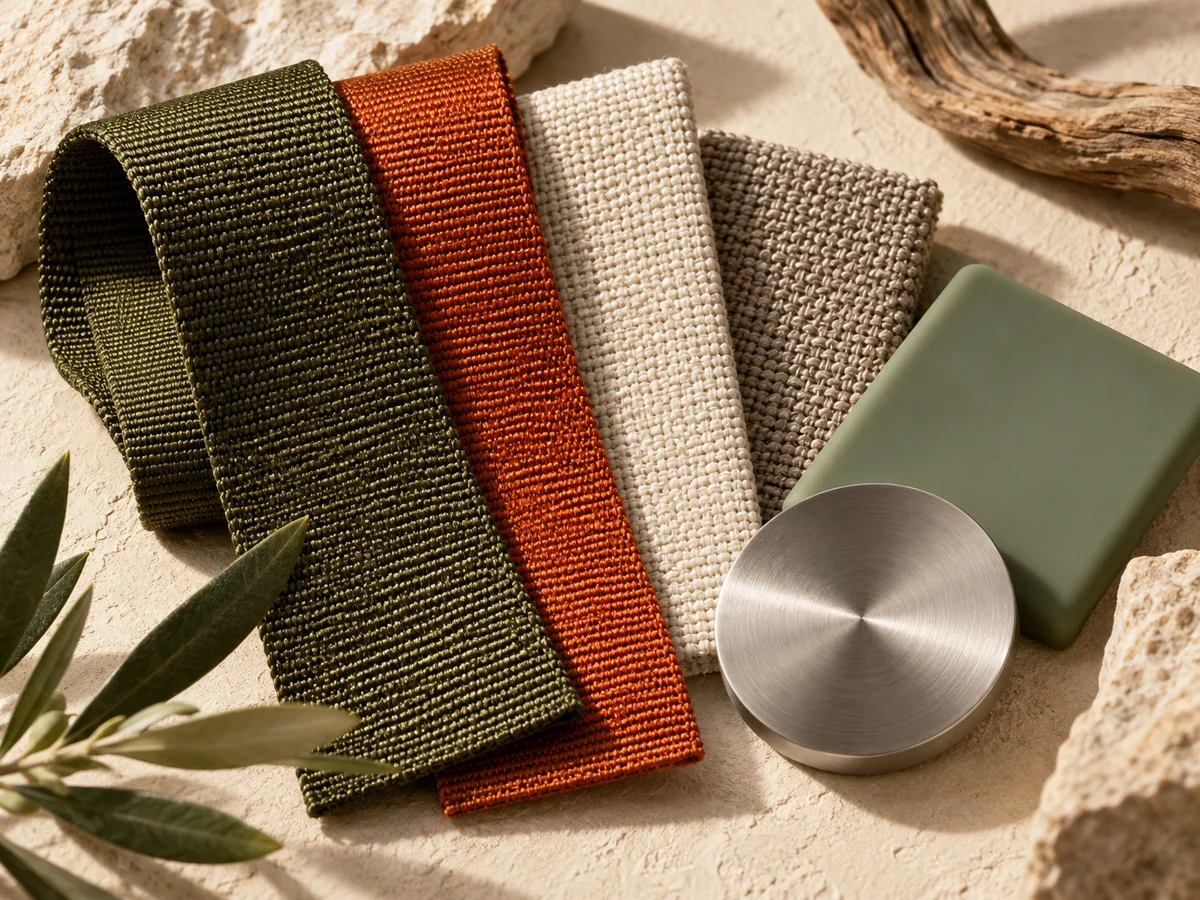
Material direction
Coated polyester shell, with options such as PU coating; mesh or taffeta lining
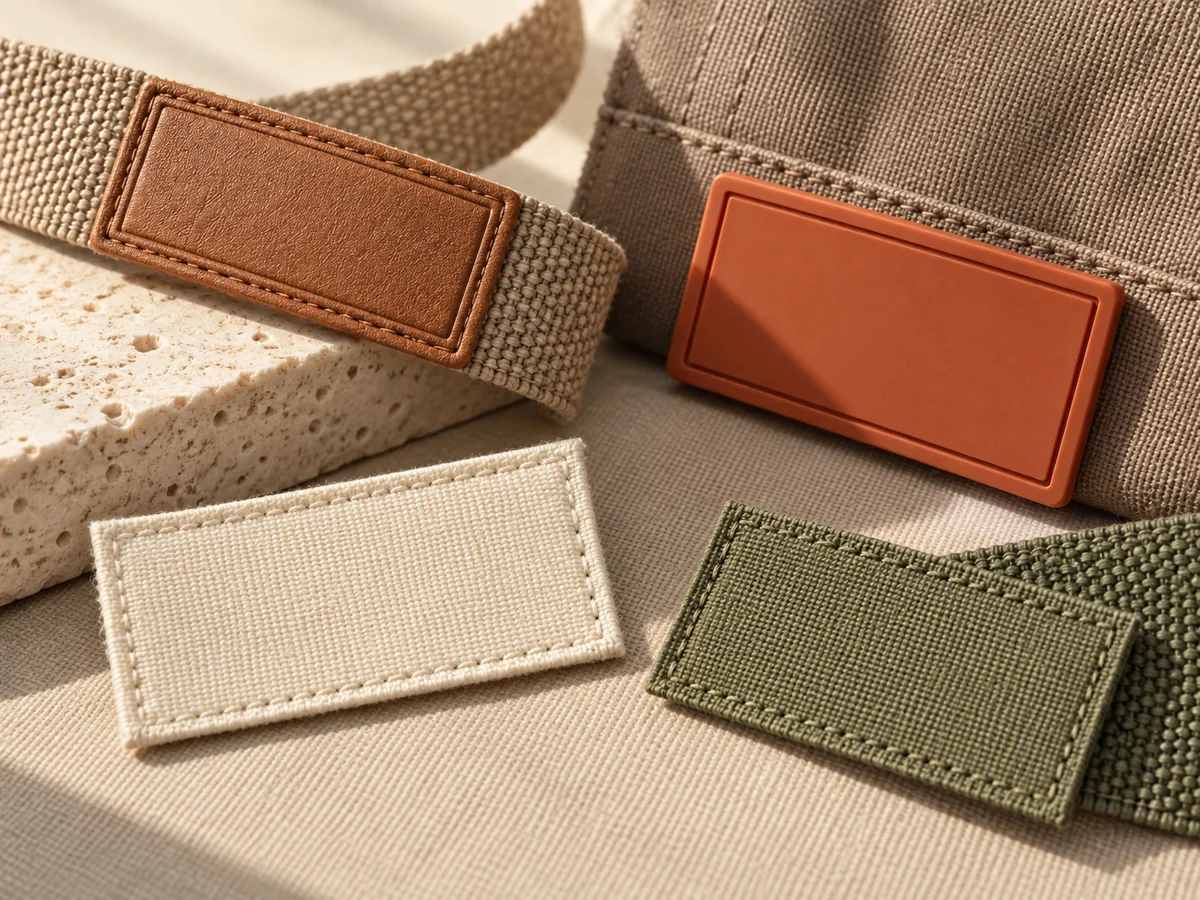
A recognizable identity
Woven label, printed webbing or reflective heat transfer; reflective performance requires separate verification
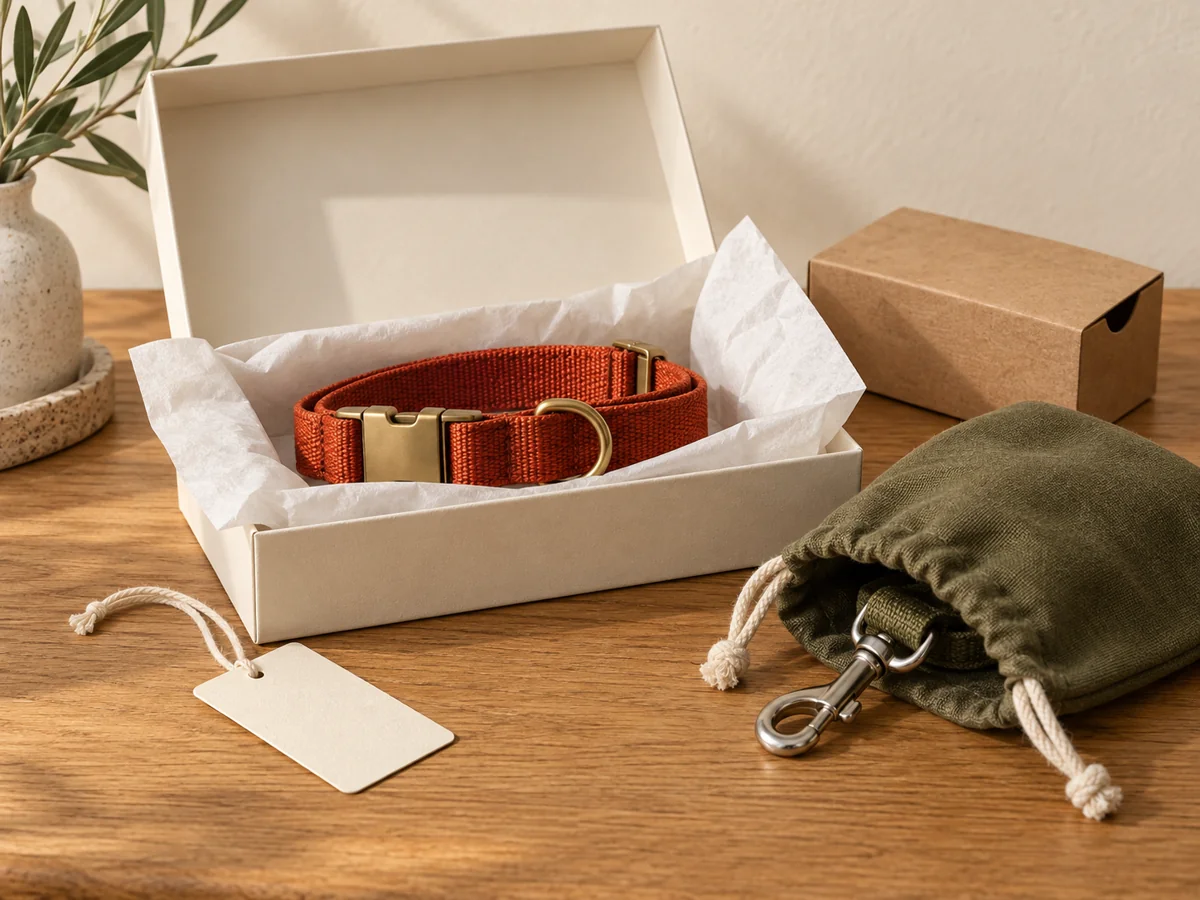
Custom packaging for your channel
Custom packaging is available. Format, material, dimensions, logo and barcode placement are agreed for your order.
03 / SIZING
Measure first.
Make with clarity.
Back length: 25 / 30 / 35 / 40 / 45 / 50 / 60 cm. Chest and neck measurements are specified separately.
Reference sizes for selection and sampling. Final dimensions, tolerances and material combinations are agreed in the written specification.
Factory reference: FSR-038 ·
Supply target values and units for a sample brief. Confirm tolerances and size grading against the physical approval sample.
| Measurement to define | Approval record |
|---|---|
| Back length | Target + unit + tolerance |
| Neck girth | Target + unit + tolerance |
| Chest girth | Target + unit + tolerance |
| Finished weight | Target + unit + tolerance |
| Packed carton volume | Target + unit + tolerance |
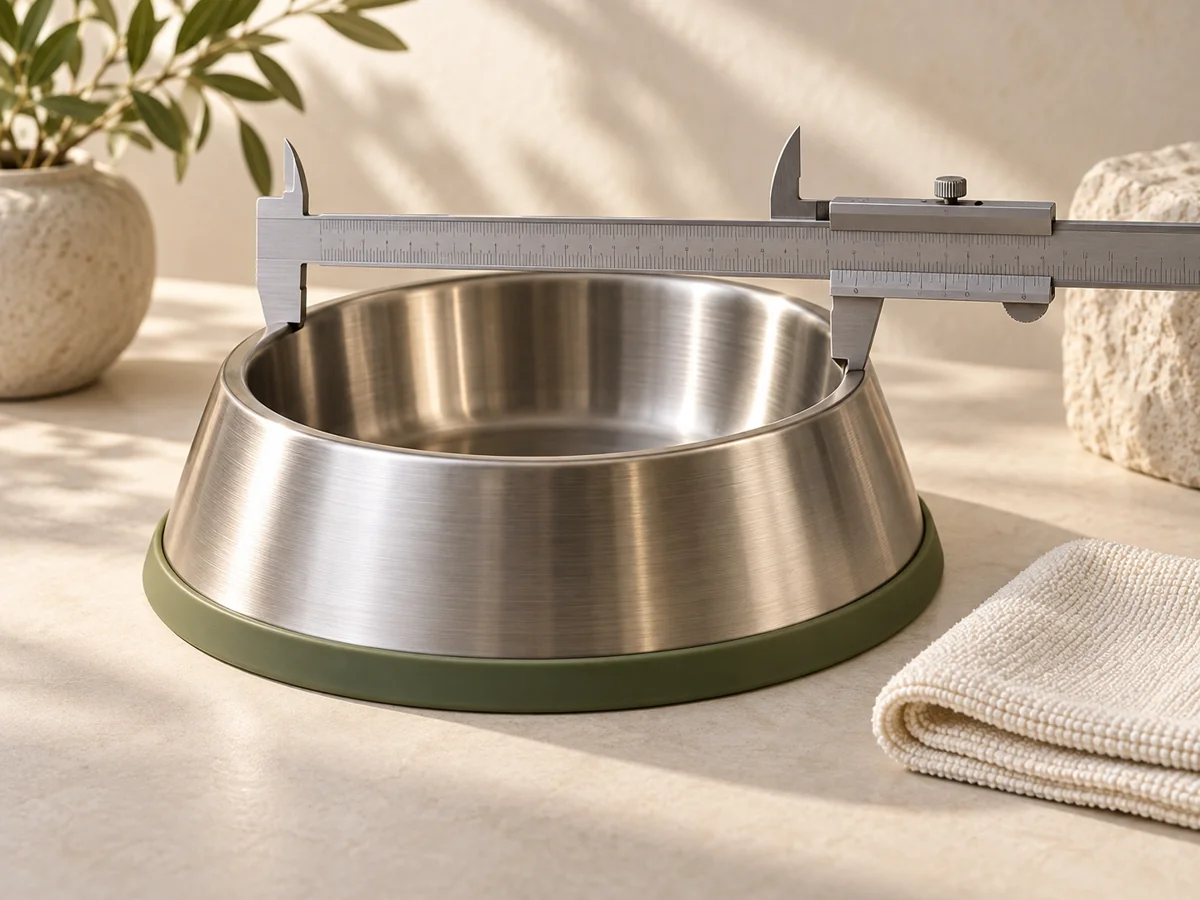
04 / SAMPLE REVIEW
A better brief.
A clearer check.
Coverage while walking not standing, closure hold after wash cycles, seam water path.
State wash temperature and whether the coating survives tumble drying.
Agree the inspection method, applicable requirements and acceptance criteria for your actual market and product. Test reports must correspond to the approved material and finished item.
Get the sample review checklist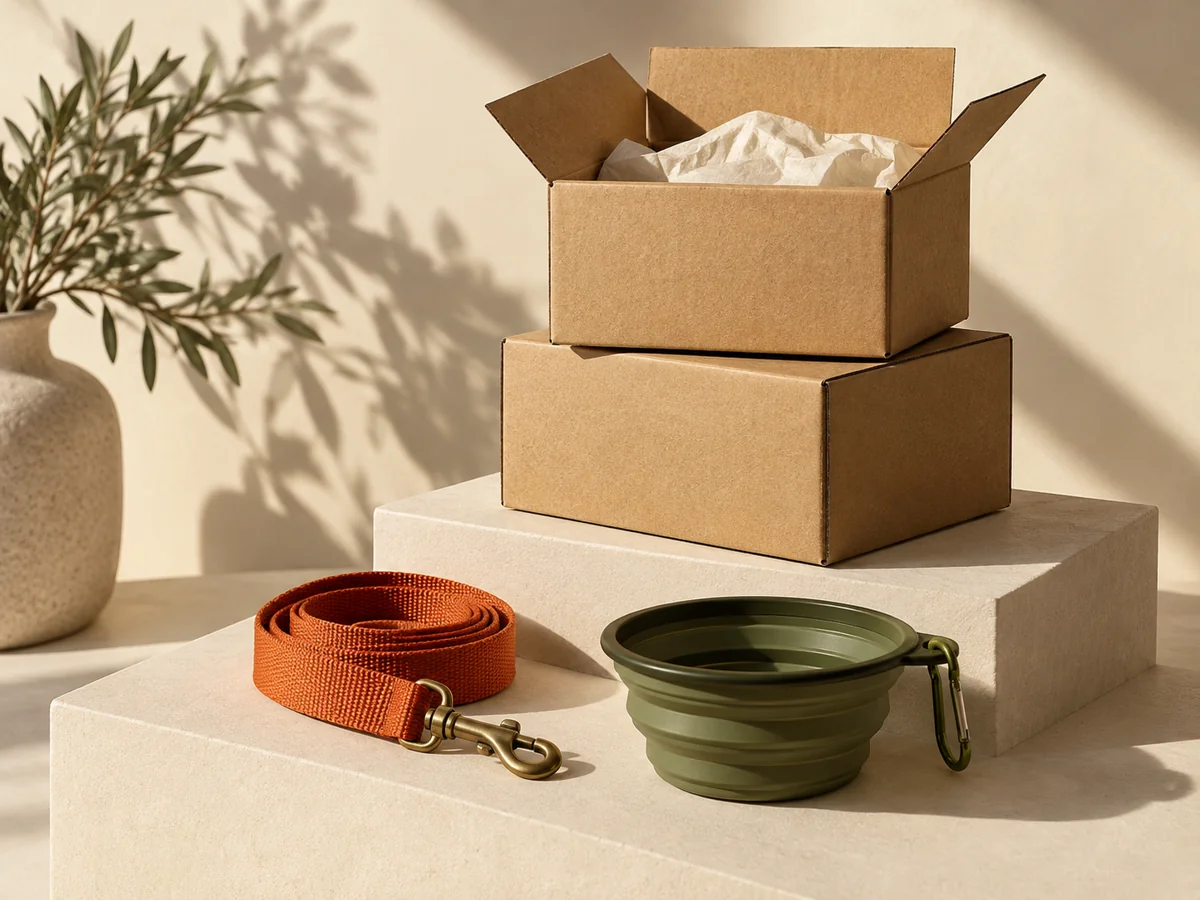
05 / PACKAGING
Make the last detail count.
Confirm unit packaging, product identification, care copy, barcode, carton count and packed dimensions. Approve artwork on the actual packaging format.
06 / TIMELINE
A schedule built on approvals.
Brief → material review → sample → revision → pre-production approval → inspection → shipment handover. Sampling and production dates depend on the agreed specification and approvals.
See every stagePRODUCT EVIDENCE MATRIX
Approve evidence, not assumptions.
Use this checklist to confirm an order-specific product specification.
Each item should point to a physical sample, drawing, material record, test method or approved artwork. Evidence is confirmed for the exact product and order; a category claim alone is not enough.
Open the supplier trust center| Decision | What your team should approve | Evidence to retain |
|---|---|---|
| Product identity | SKU, intended use, target market and approved sample version | Signed specification and sample reference |
| Materials | Fiber or polymer type, grade, thickness, finish and color reference | Supplier record, swatch or order-specific test report |
| Dimensions & fit | Back length: 25 / 30 / 35 / 40 / 45 / 50 / 60 cm. Chest and neck measurements are specified separately. | Dimension drawing, size chart and tolerance record |
| Construction | Back-length graded size run; belly strap closure; optional cut harness opening and hood | Seam, hardware or assembly checkpoints with photos |
| Performance & care | Coverage while walking not standing, closure hold after wash cycles, seam water path; State wash temperature and whether the coating survives tumble drying | Agreed method, acceptance criteria and care copy |
| Branding & packaging | Logo method, placement, artwork, labels, barcode, unit pack and carton count | Approved artwork and packaging sample |
COMMERCIAL TERMS
Confirm the order in writing.
Published planning ranges help you start. Final values belong in the product-specific quotation and purchase agreement.
| Term | Published planning information | What must be confirmed |
|---|---|---|
| MOQ | 100–500 units | Typical range; confirmed by product, color, size and customization. |
| Stock-item custom sample | Within 7 days | Artwork, available base item, sample fee and delivery method |
| Fully custom sample | Within 15 days | Specification freeze, tooling or development fee and revision scope |
| Bulk production | Confirmed in quotation | Quantity by SKU/color/size, approval date and production schedule |
| Payment & trade terms | Not publicly stated | Currency, deposit/balance, Incoterm, named place and banking details on formal documents |
| Packing & freight | Sea freight, air freight or express courier | Unit pack, carton count, carton dimensions, marks, route and freight responsibility |
BEFORE YOU REQUEST A QUOTE
Questions buyers ask about the dog raincoat.
What is the MOQ for a private-label dog raincoat?
Typical MOQ is 100–500 units. Typical range; confirmed by product, color, size and customization.
How long does a dog raincoat sample take?
A stock-item custom sample takes within 7 days after the artwork and details are confirmed. A fully custom sample takes within 15 days after the specification is confirmed.
What materials and construction can a dog raincoat use?
Coated polyester shell, with options such as PU coating; mesh or taffeta lining. Back-length graded size run; belly strap closure; optional cut harness opening and hood.
What should be checked on a dog raincoat sample?
Coverage while walking not standing, closure hold after wash cycles, seam water path. State wash temperature and whether the coating survives tumble drying.
What is a dog raincoat not meant for?
Water resistance is a construction description, not a rating; publish no waterproof rating without a test you can name.
Better, together.
Build a matching collection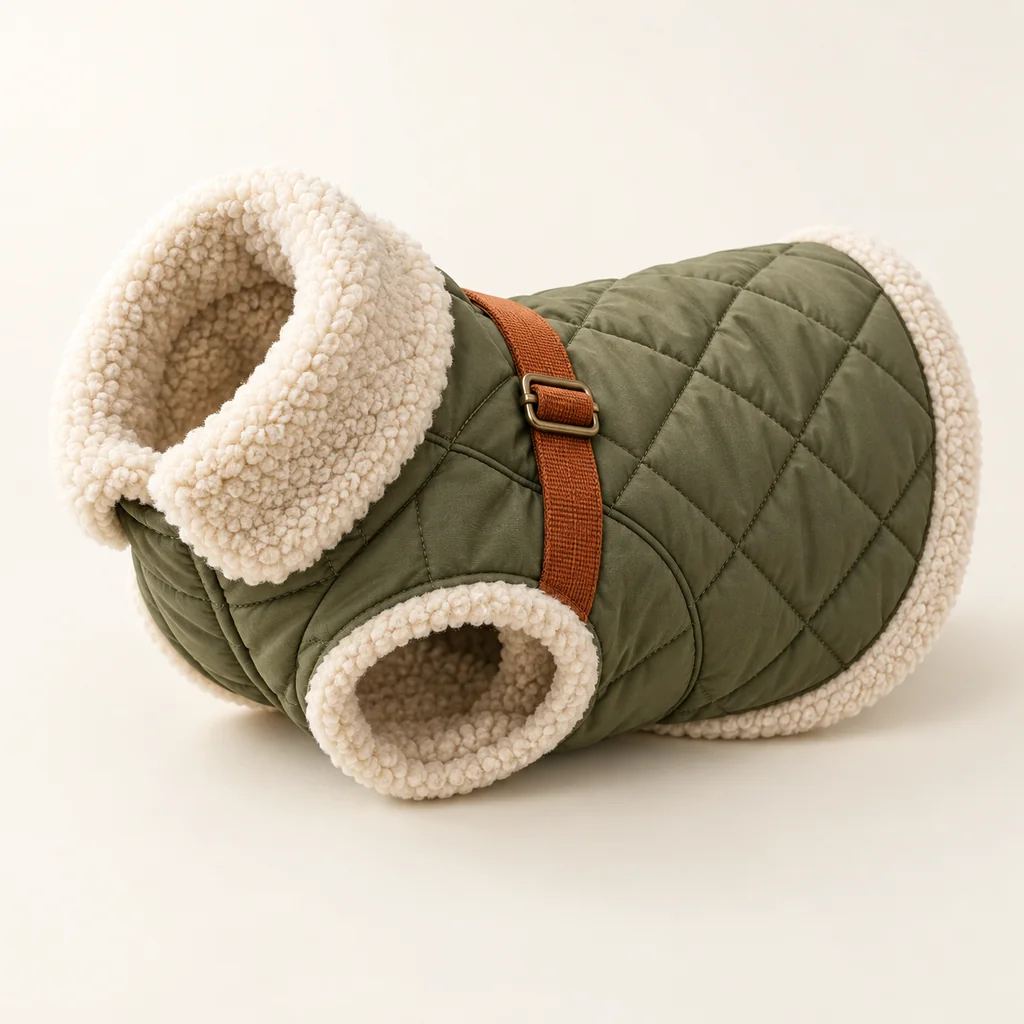 PRIVATE LABEL / Apparel
Apparel
Dog winter coat
Fill decides the price
 PRIVATE LABEL / Apparel
Apparel
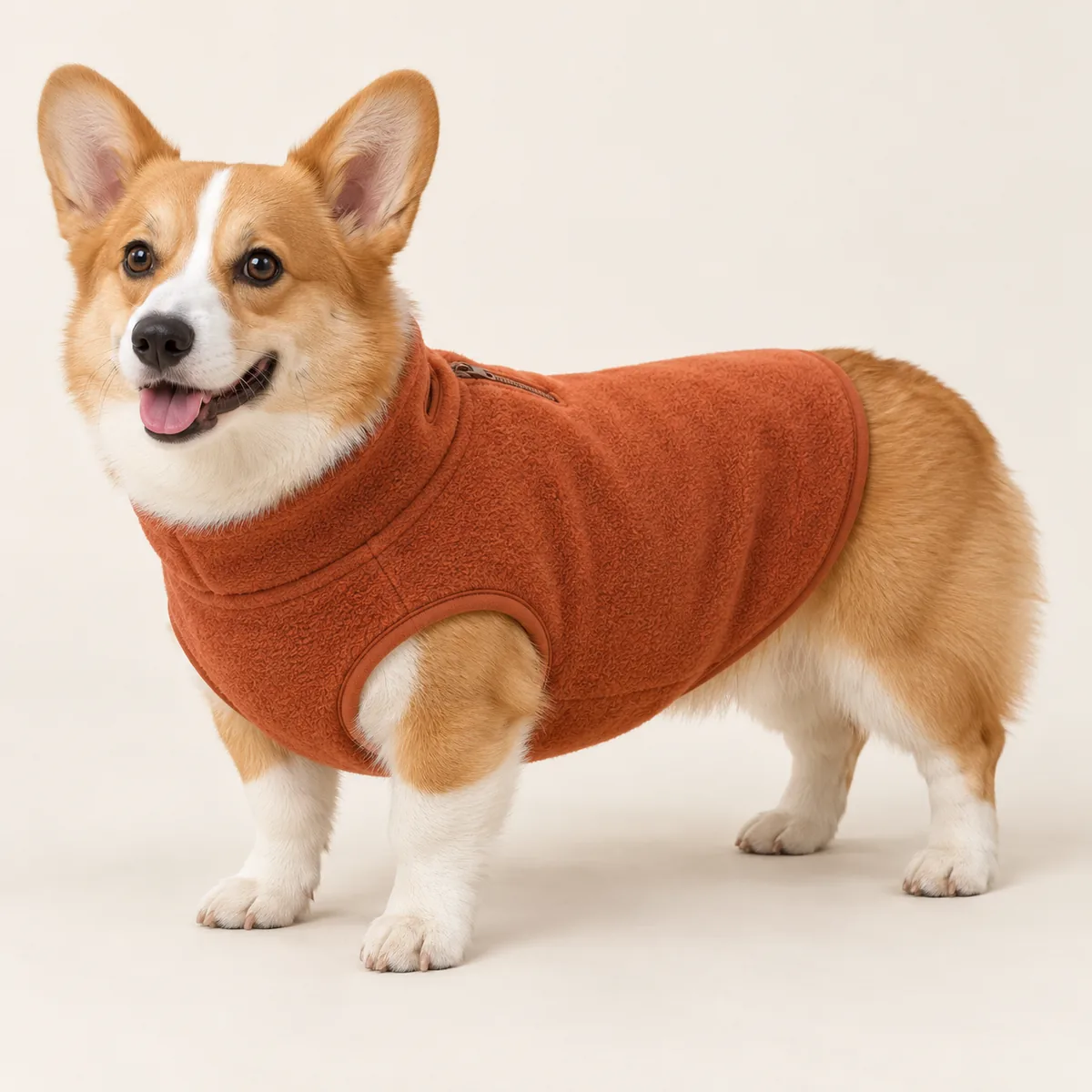
Dog fleece jacket
The mid-weight layer
 PRIVATE LABEL / Apparel
Apparel
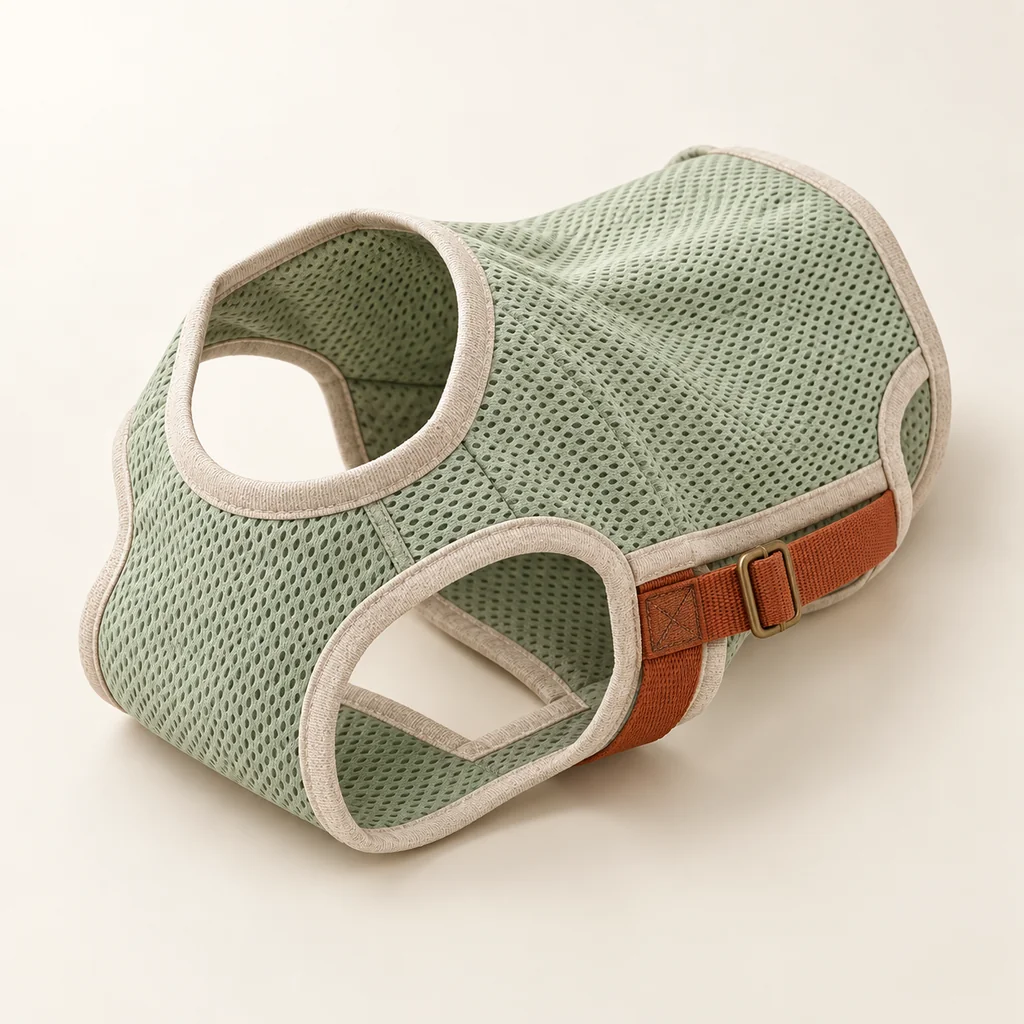
Dog cooling vest
Say how it works, not how well
 PRIVATE LABEL / Apparel
Apparel
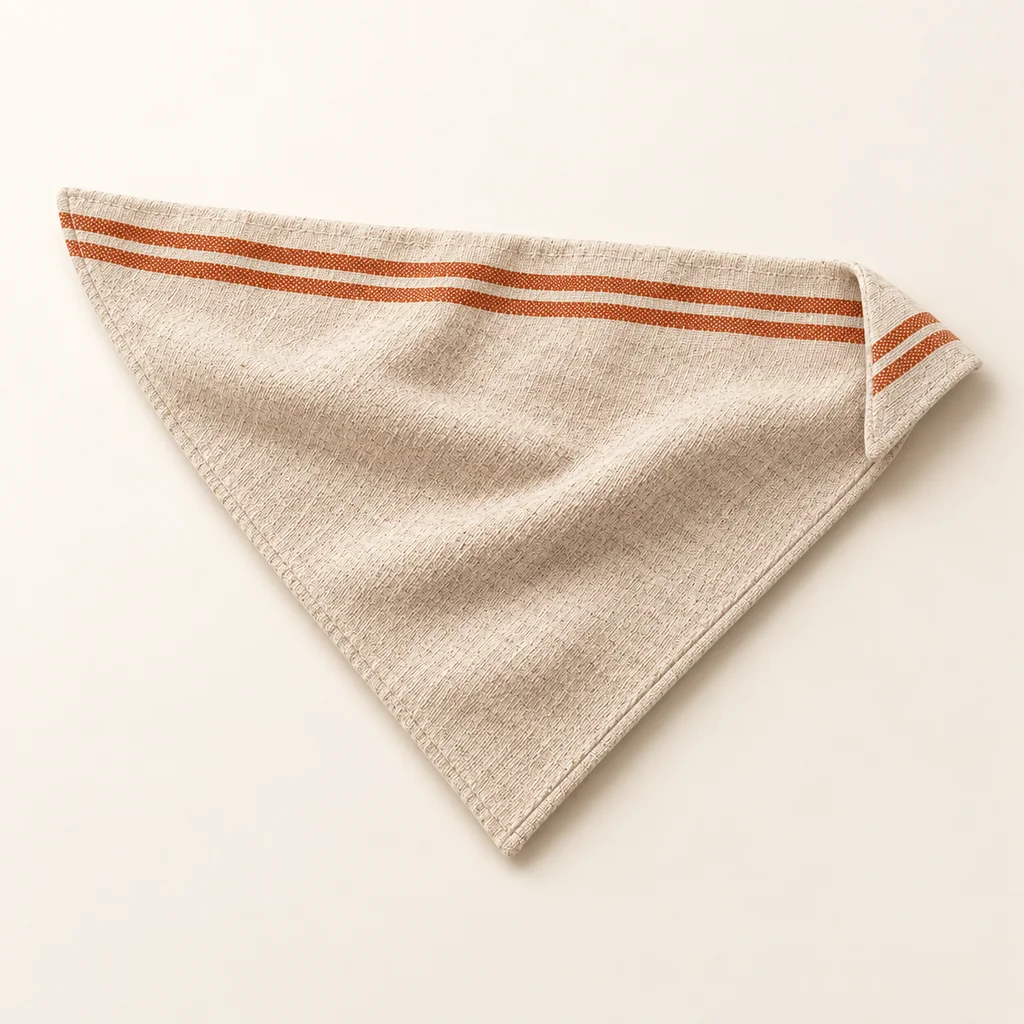
Dog bandana
The cheapest way to carry a logo
 PRIVATE LABEL / Apparel
Apparel
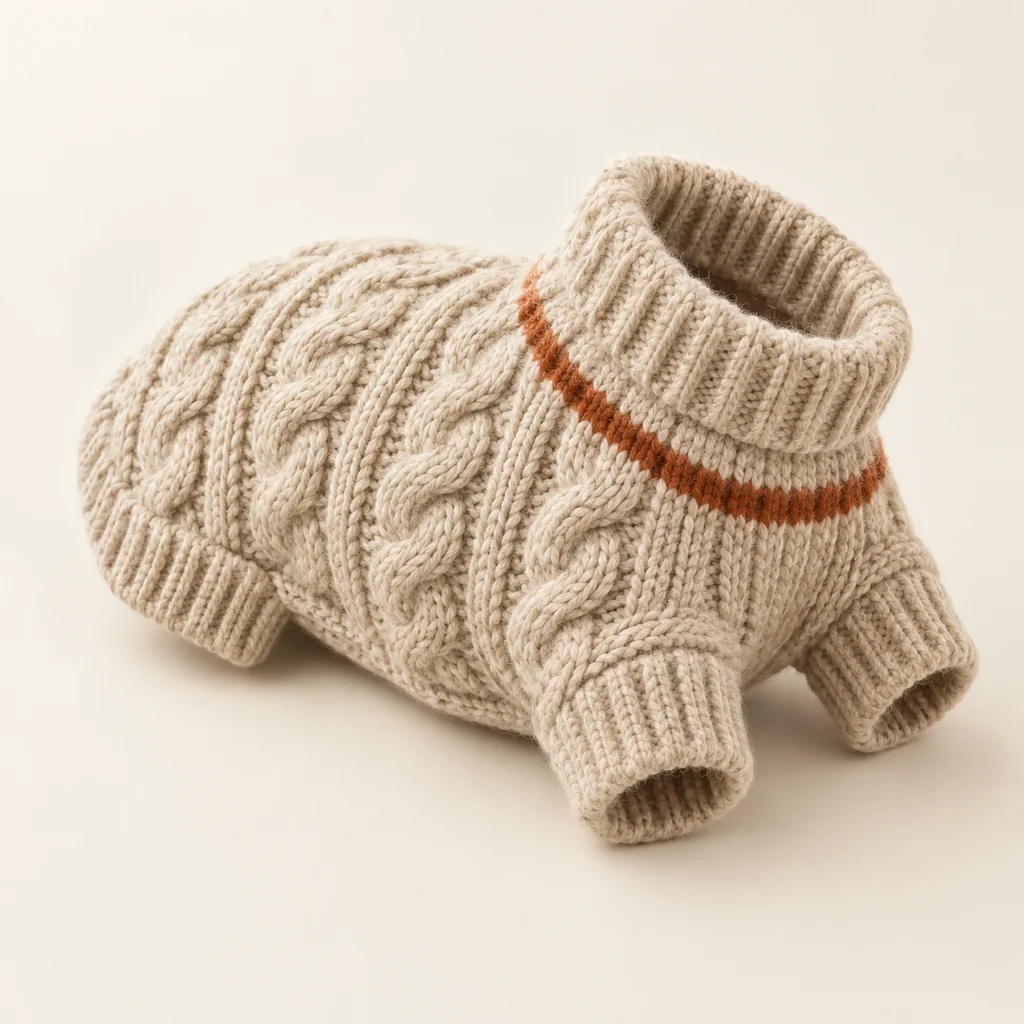
Dog knit sweater
Knit is a different factory
 PRIVATE LABEL / Apparel
Apparel
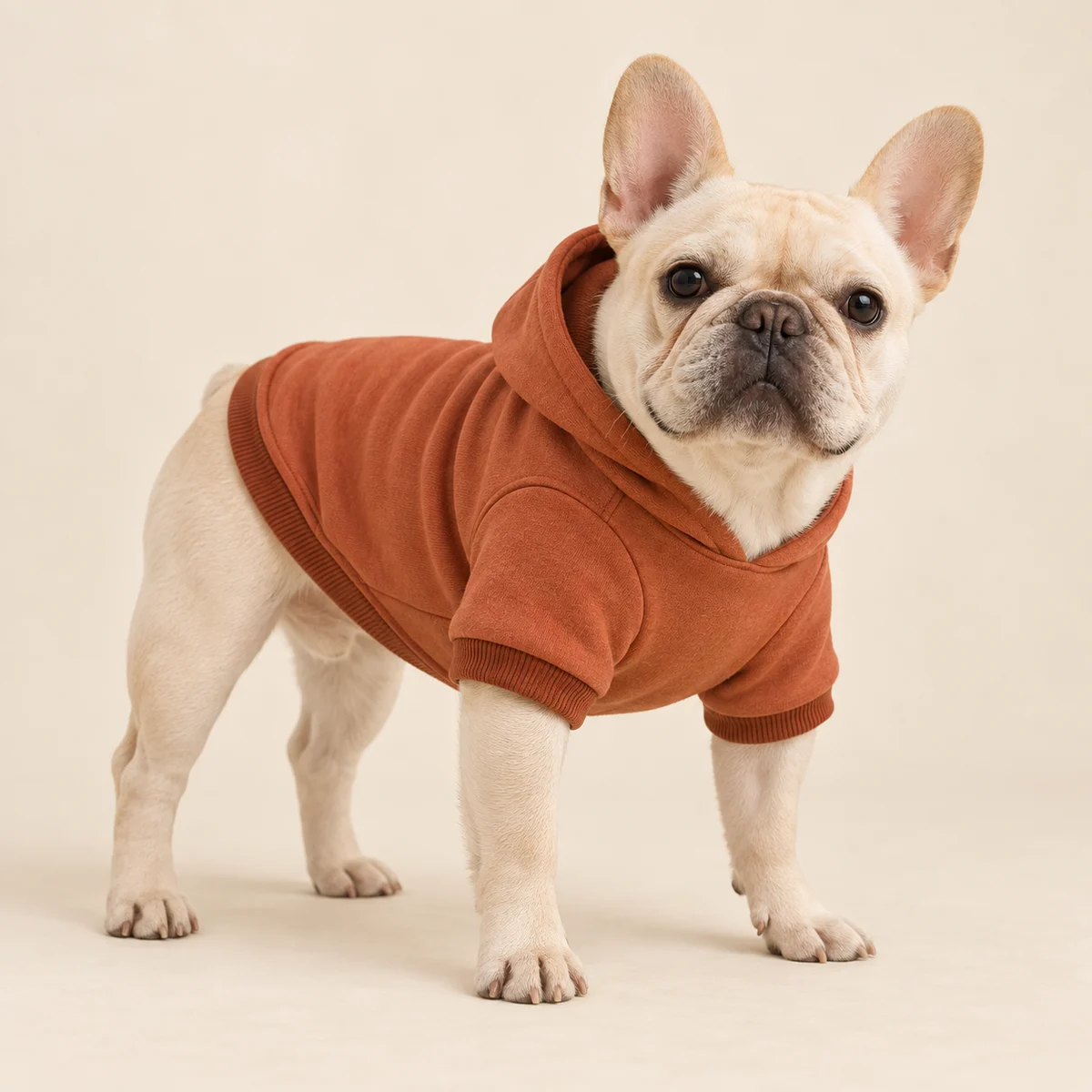
Pet hoodie
Short or long sleeves
 PRIVATE LABEL / Apparel
Apparel
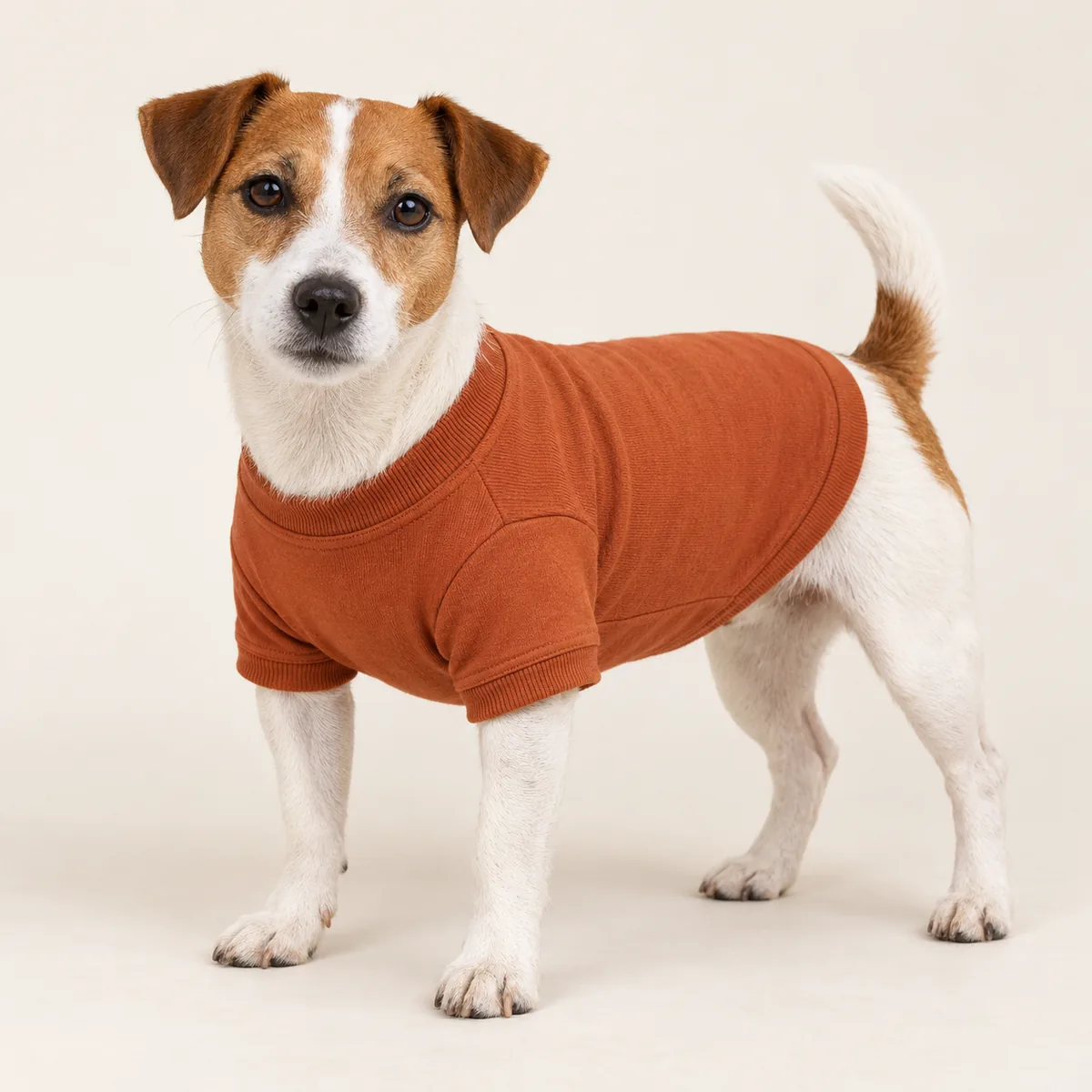
Dog T-shirt
Tee or tank, one pattern
 PRIVATE LABEL / Apparel
Apparel
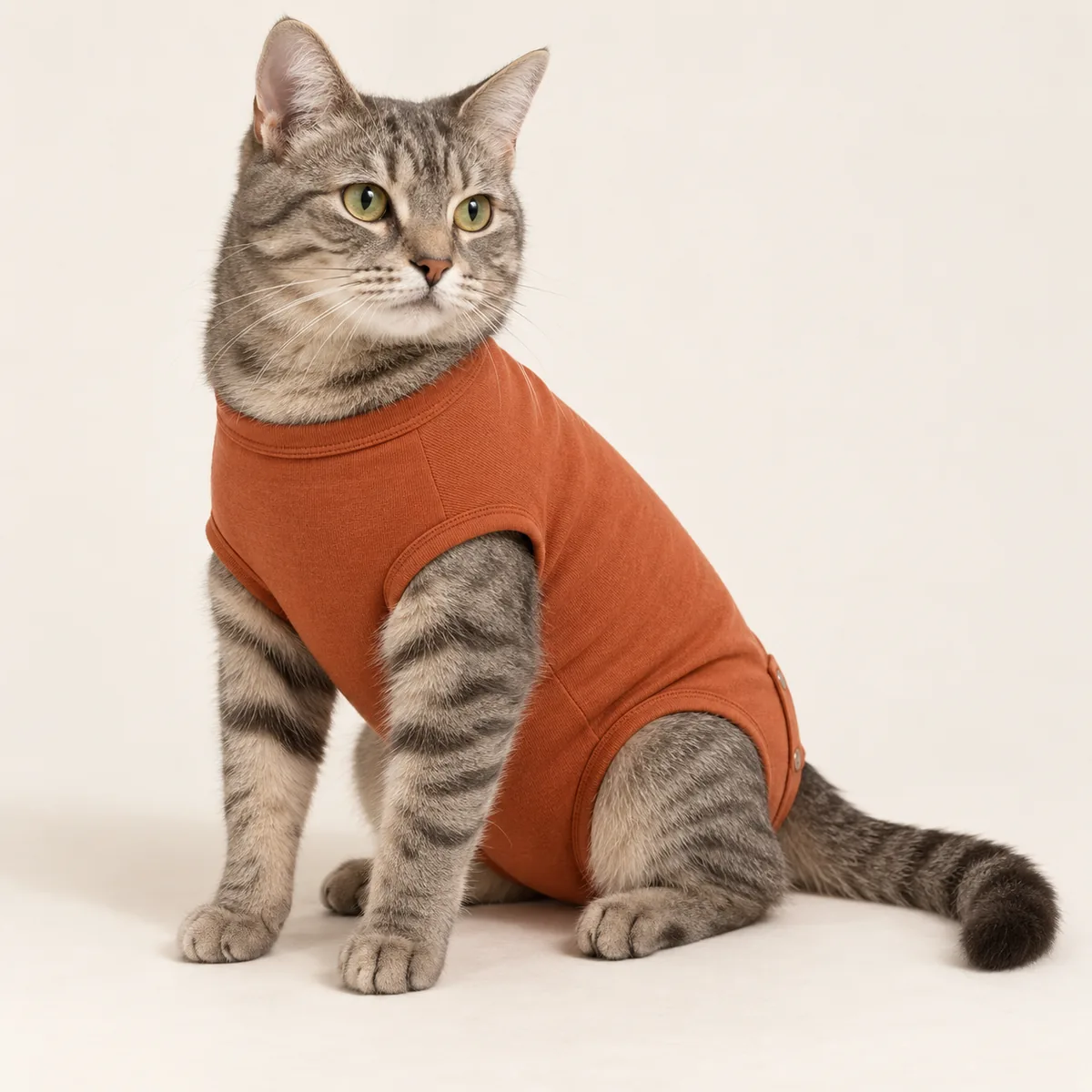
Pet recovery suit
Sold on coverage and fit
BUYER QUESTIONS / DIRECT ANSWERS
Questions to settle before you approve the order.
Use these answers to turn a broad sourcing discussion into a product-specific brief, quotation and approval record.
What can be customized on private label dog apparel?
Private-label dog apparel can be customized by shell and lining materials, water-resistant finish, size grading, closures, adjustment points, reflective details, harness opening, colors, logo, care label and packaging. Approve movement, coverage and construction on representative dogs or fit forms for the intended size range.
Why should dog coats be sized by back length instead of weight alone?
Back length is a direct product measurement, while weight alone does not describe chest depth, neck, proportions or posture. Grade dog coats from named body measurements such as back length, chest girth and neck, then define ease and adjustment range. Use weight only as supporting guidance if evidence justifies it.
How should raincoat water resistance be described?
Describe raincoat performance with the exact material or finished-product method that was tested, its result and any limitations. “Water-resistant” is safer than an unsupported “waterproof” claim when seams, closures or openings have not been evaluated. Keep the evidence tied to the approved fabric and construction.
Which seams, closures and harness openings need sample checks?
Check seam placement and finish, closure engagement through the adjustment range, leg clearance, belly coverage and the harness opening under movement. Confirm that water-shedding details do not create rubbing or restrict the dog. Review these features after the stated care cycle as well as on the first sample.
How should a dog apparel size run be graded?
Grade a dog apparel size run from consistent measurement points and target ease, then record the increment between sizes rather than enlarging every dimension by one percentage. Review at least the smallest, middle and largest sizes for movement and coverage because proportions, openings and closures may need non-linear changes.